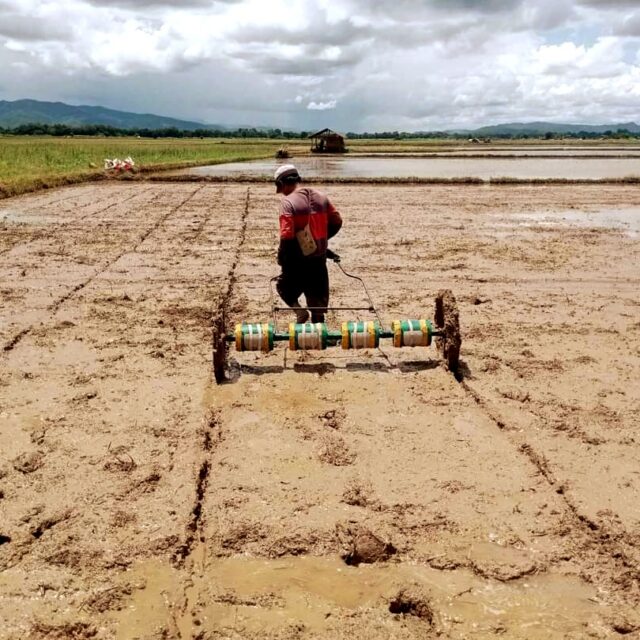
The Ayeyawady Region government announced that extensive farmer awareness programmes would be conducted across the region to encourage farmers to replace broadcast seeding with alternative cultivation methods to achieve targeted crop yields.
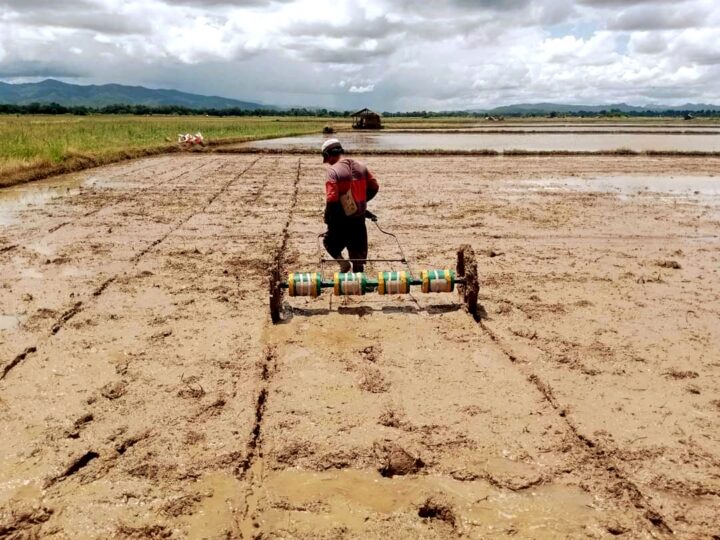
The programmes will promote modern and systematic cultivation techniques, including
the use of drum seeders, riding-type and walk-behind paddy transplanters, and seedling nursery systems.
As part of the initiative, relevant regional ministers will conduct field visits at the township level and coordinate with agricultural development and yield promotion committees.
Ayeyawady Region has more than 4.8 million acres of net cultivated land, including approximately 2.89 million acres suitable for multiple cropping and intercropping during the summer and winter seasons. Paddy is the region’s primary cash crop, with monsoon and summer paddy widely cultivated, including on government-established model plots, producing high-quality Pawsan varieties and other fine-quality local rice.
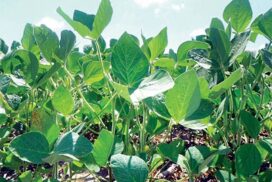
Following the monsoon paddy harvest, black gram and green gram are widely grown as winter and double crops. To achieve edible oil self-sufficiency, the Department of Agriculture and local farmers are also expanding the cultivation of oilseed crops, including groundnut, sesame, sunflower, Niger seed and soybean.
Other seasonal crops, including grain corn, sweet corn, chilli, flowers and various vegetables, are also cultivated according to local conditions. — ASH/TH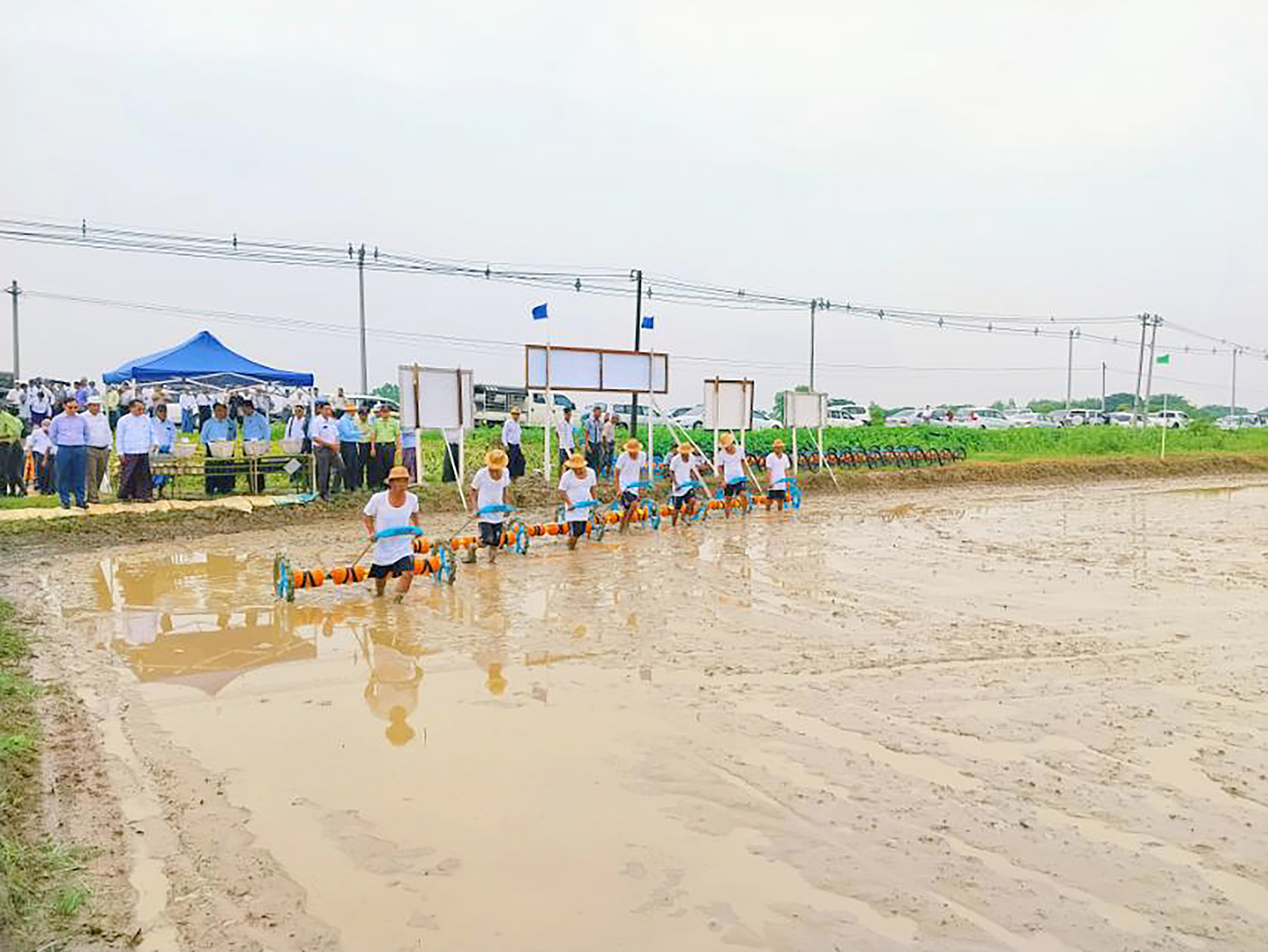
Ayeyawady Launches Drive to Promote Alternative Farming
- November 20, 2026