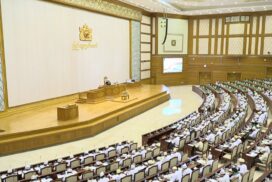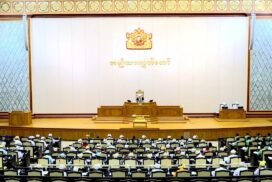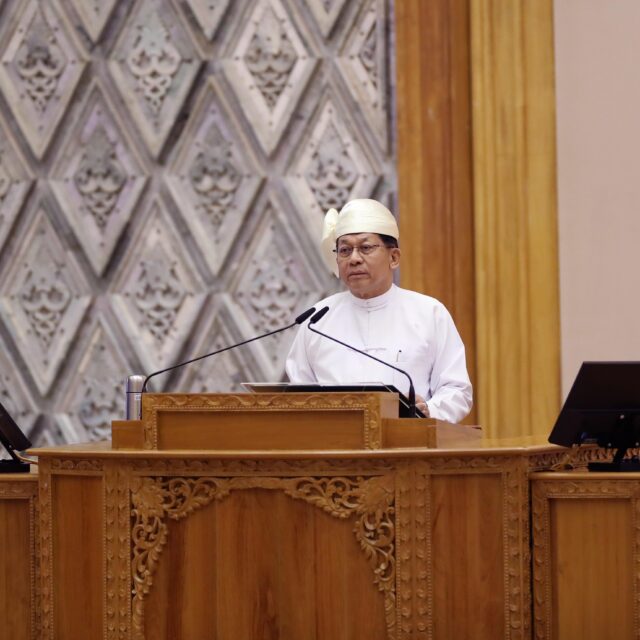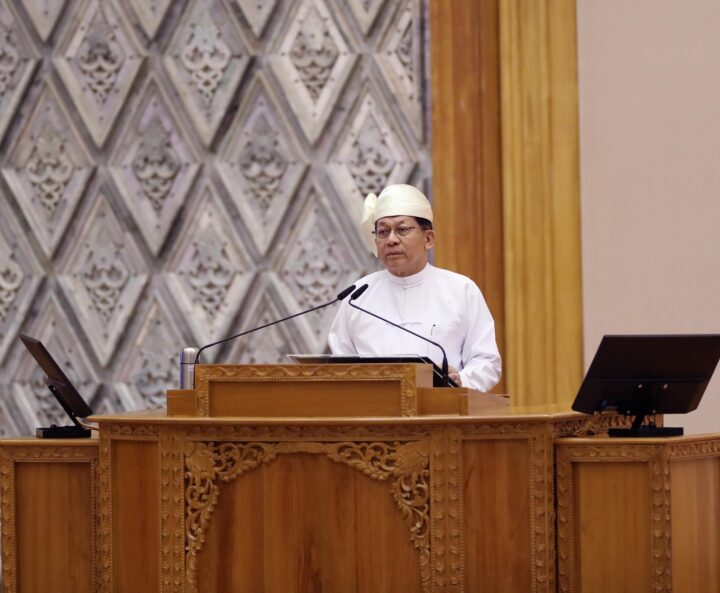
President of the Republic of the Union of Myanmar U Min Aung Hlaing delivered an address on the policies of the State and the overall situation of the nation under Section 210 of the Constitution and Section 65 of the Pyidaungsu Hluttaw Law at the 11th-day meeting of the Third Regular Session of the Third Pyidaungsu Hluttaw at 10 am yesterday
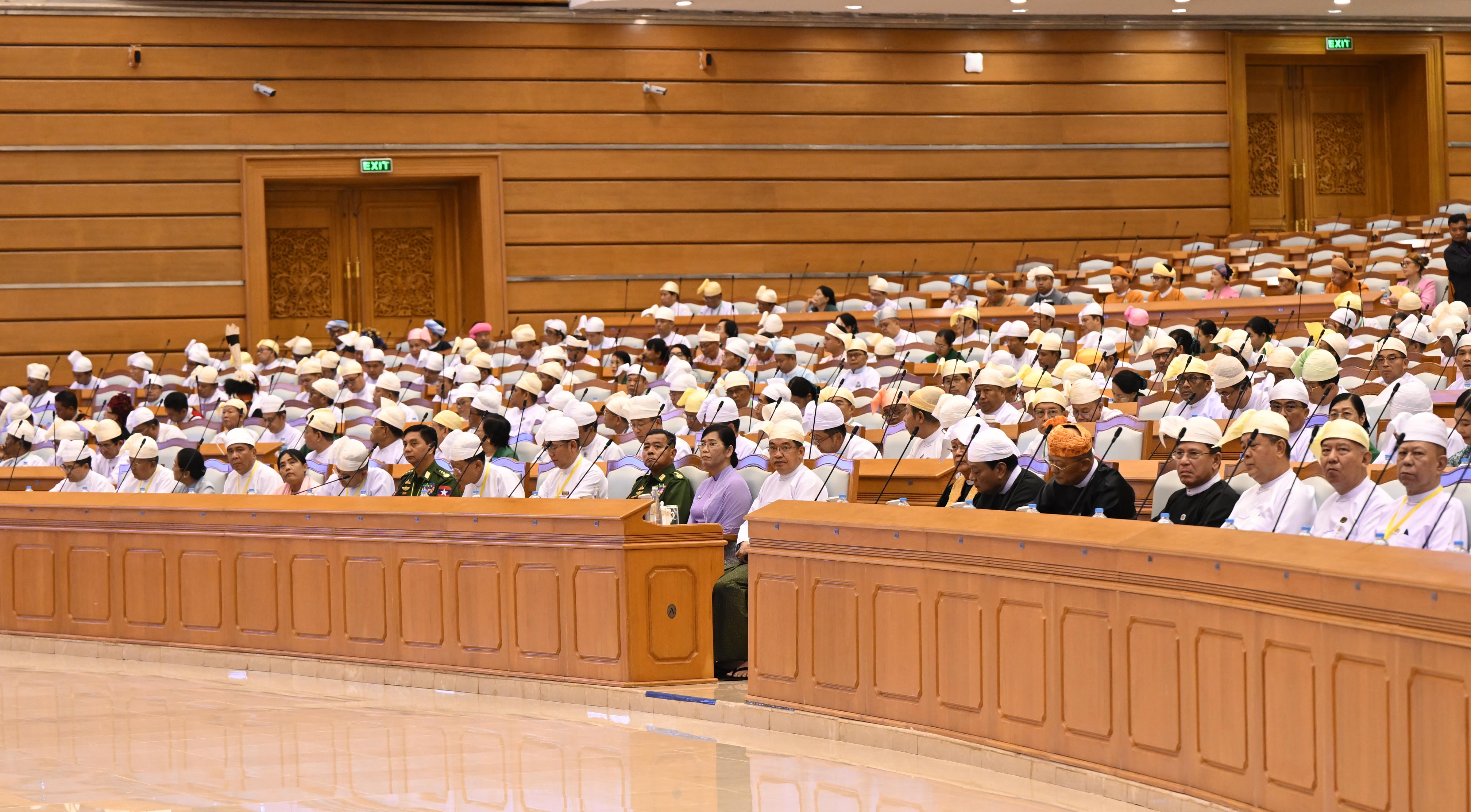
The Hluttaw session was also attended by Vice-Presidents U Nyo Saw and Nan Ni Ni Aye, Speaker of the Pyidaungsu Hluttaw and Amyotha Hluttaw U Aung Lin Dwe, Pyithu Hluttaw Speaker U Khin Yi, Chief Justice of the Union U Tha Htay, Commander-in-Chief of Defence Services General Ye Win Oo, the chairman of the Constitutional Tribunal of the Union, the chairman of the Union Election Commission, Union-level organization members, deputy speakers of the Pyithu Hluttaw and Amyotha Hluttaw, Union ministers, the Nay Pyi Taw Council chairman, deputy ministers, Hluttaw representatives and observers, totalling 300. Chief ministers of regions and states and speakers of the region and state Hluttaws who are members of the Myanmar Parliamentary Union also attended the ceremony via videoconferencing.
The Pyidaungsu Hluttaw Speaker invited President U Min Aung Hlaing to deliver an address to the Pyidaungsu Hluttaw.
On the occasion, the President delivered a speech. He said: As 222 days had now elapsed since the new government assumed office, he had attended the session to brief the esteemed Hluttaw representatives on the measures undertaken by the government and the current situation of the nation.
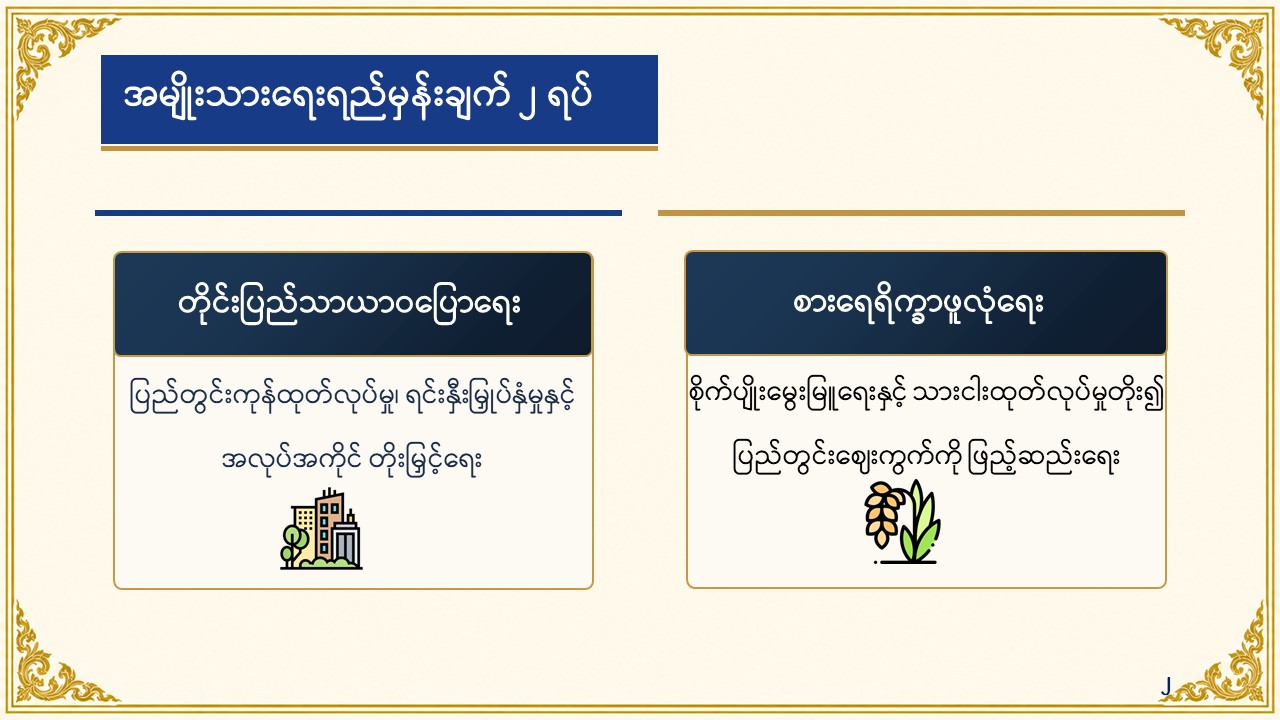
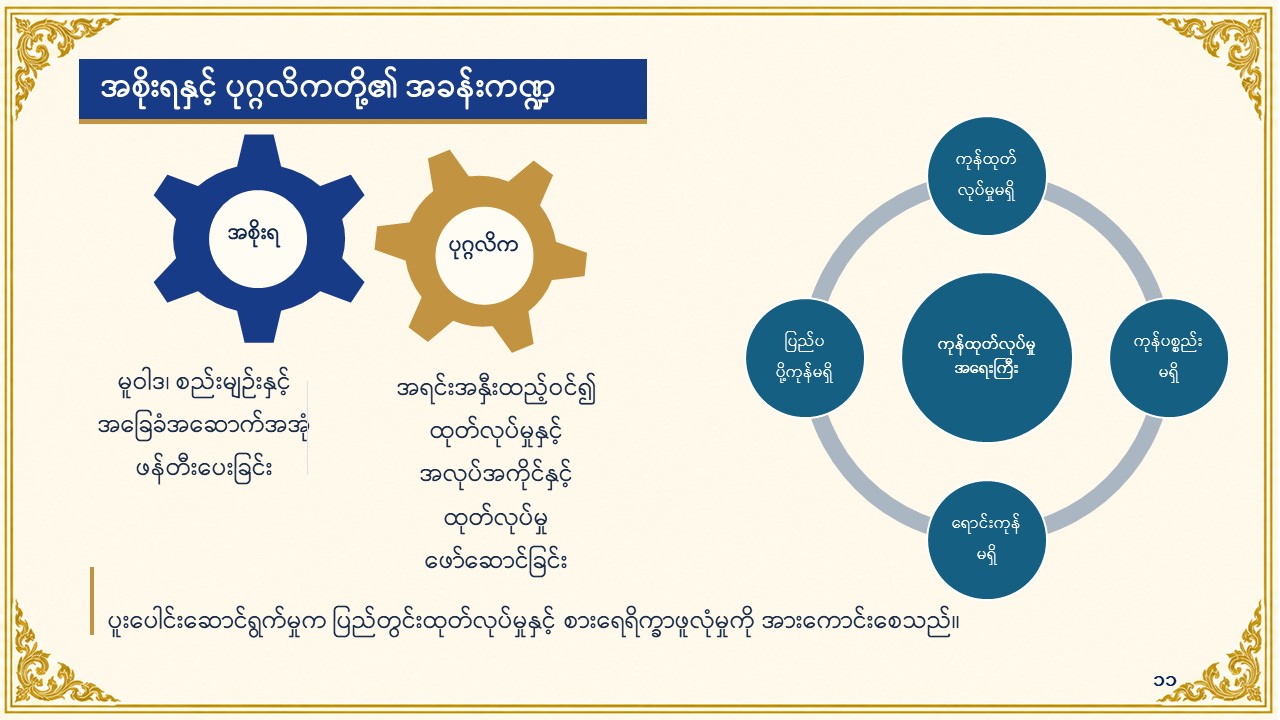
The government has adopted two sets of policies. Under its national policies, it has set two national objectives: ensuring the prosperity of the country and ensuring food security. Under its political policies, it is committed to firmly establishing a genuine and disciplined multiparty democratic system and building a Union based on democracy and federalism. Governments and people in every country aspire to see their nations develop and prosper. To achieve this, a sound economy is essential. A country’s economy is measured by its Gross Domestic Product (GDP).
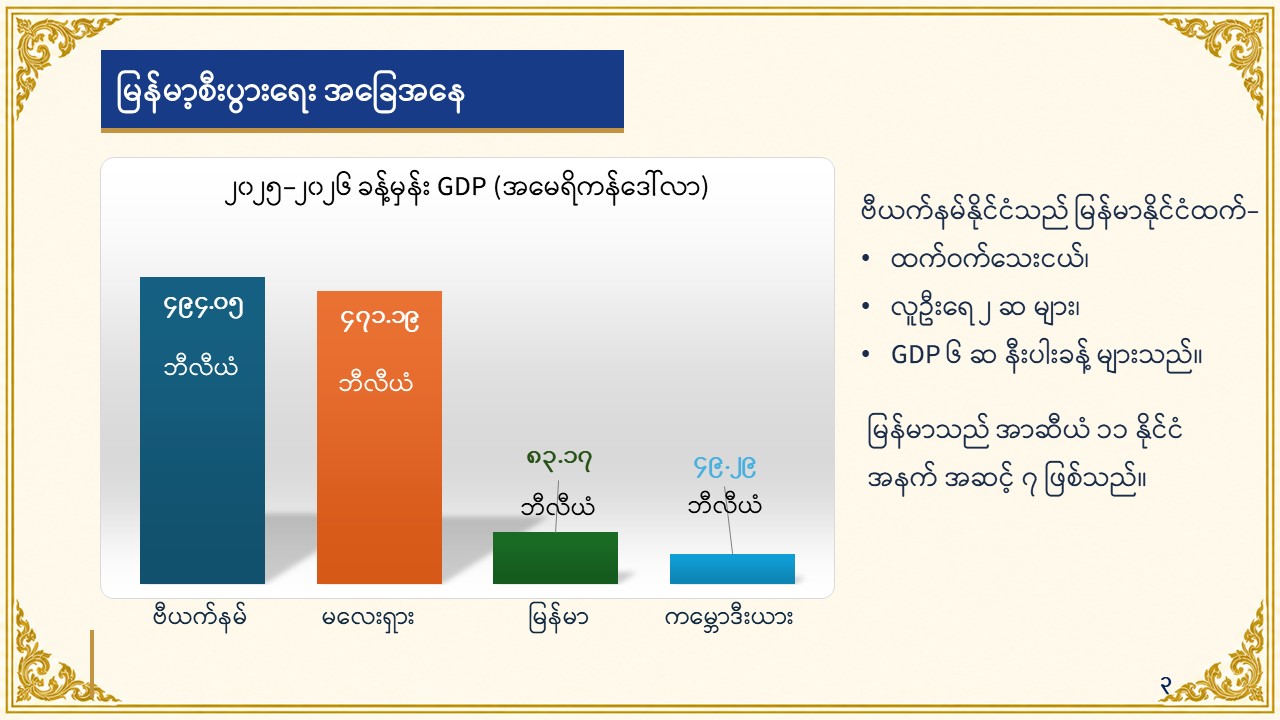
Regarding Myanmar’s economy, the country’s GDP stood at approximately US$83.17 billion in 2025, ranking seventh among the 11 ASEAN member states. The government is working towards increasing the country’s GDP to US$98 billion in the current year. In the 2025-2026 financial year, the GDP of several ASEAN countries stood at US$494.05 billion for Vietnam, US$471.19 billion for Malaysia and US$49.29 billion for Cambodia. These countries, like Myanmar, are engaged in agriculture and livestock breeding.
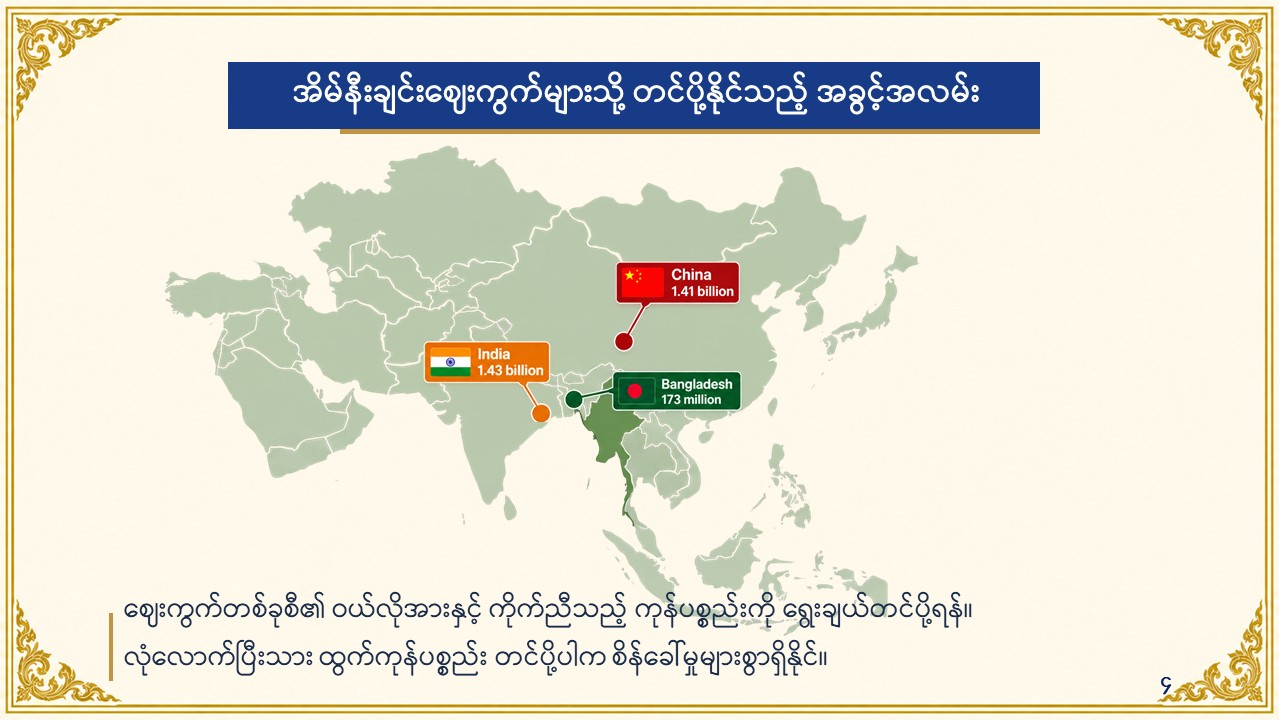
Geographically, Myanmar is situated between several populous countries, including China, with a population of more than 1.4 billion, India, with a population of more than 1.4 billion, and Bangladesh, with a population of over 160 million. Given this geographical position, Myanmar has considerable opportunities to export its products to foreign markets. Therefore, emphasis should be placed on promoting domestic production. It is necessary to understand the market requirements of the countries to which Myanmar’s products are exported and to establish a strong market presence. At present, Myanmar mainly exports rice and pulses to foreign countries. However, the country should not rely on only one or two export markets and must continue seeking other overseas markets for its products.
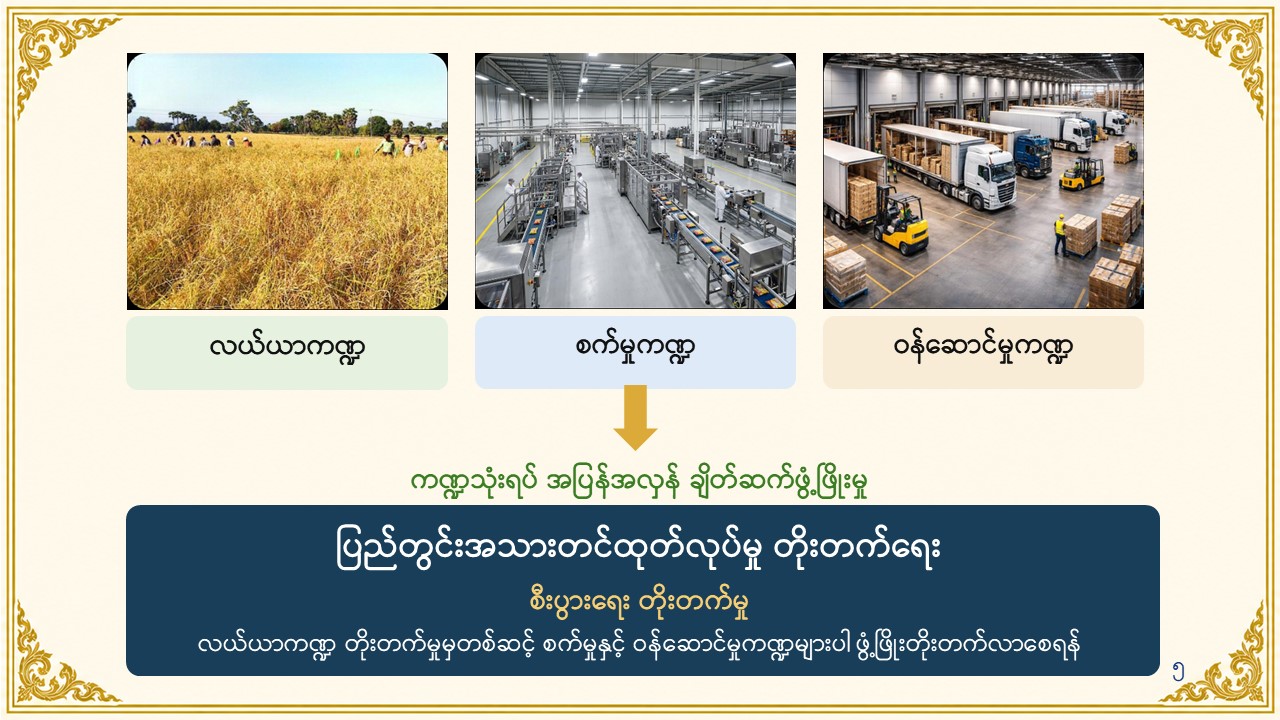
A country’s GDP is measured based on three major sectors: agriculture, industry and services. As Myanmar is an agriculture- and livestock-based country, promoting these sectors will create opportunities to develop agro-based and livestock-based industries. This, in turn, will boost manufacturing and contribute to the growth of service industries, including banking, transportation and trade. Industrial activities include rice mills, edible oil mills, pulse-processing mills, sugar mills and rubber-processing factories. Electricity generation required to support these industries is also included in the industrial sector.
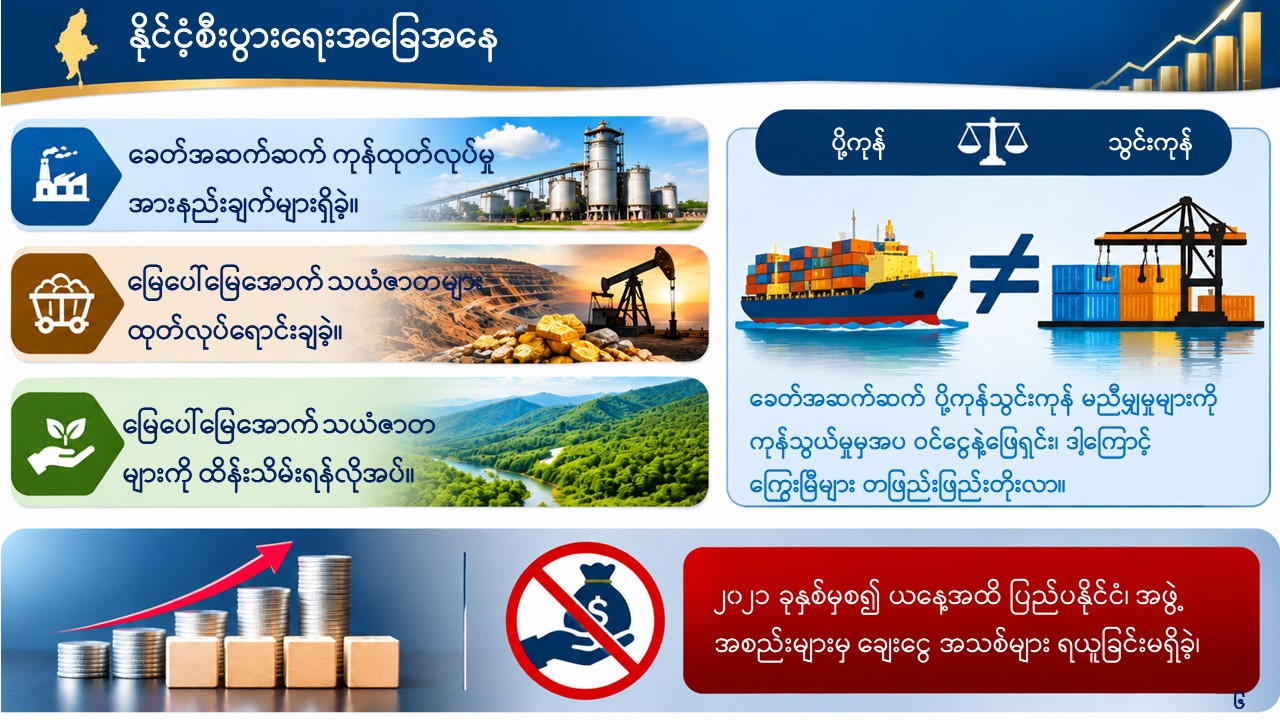
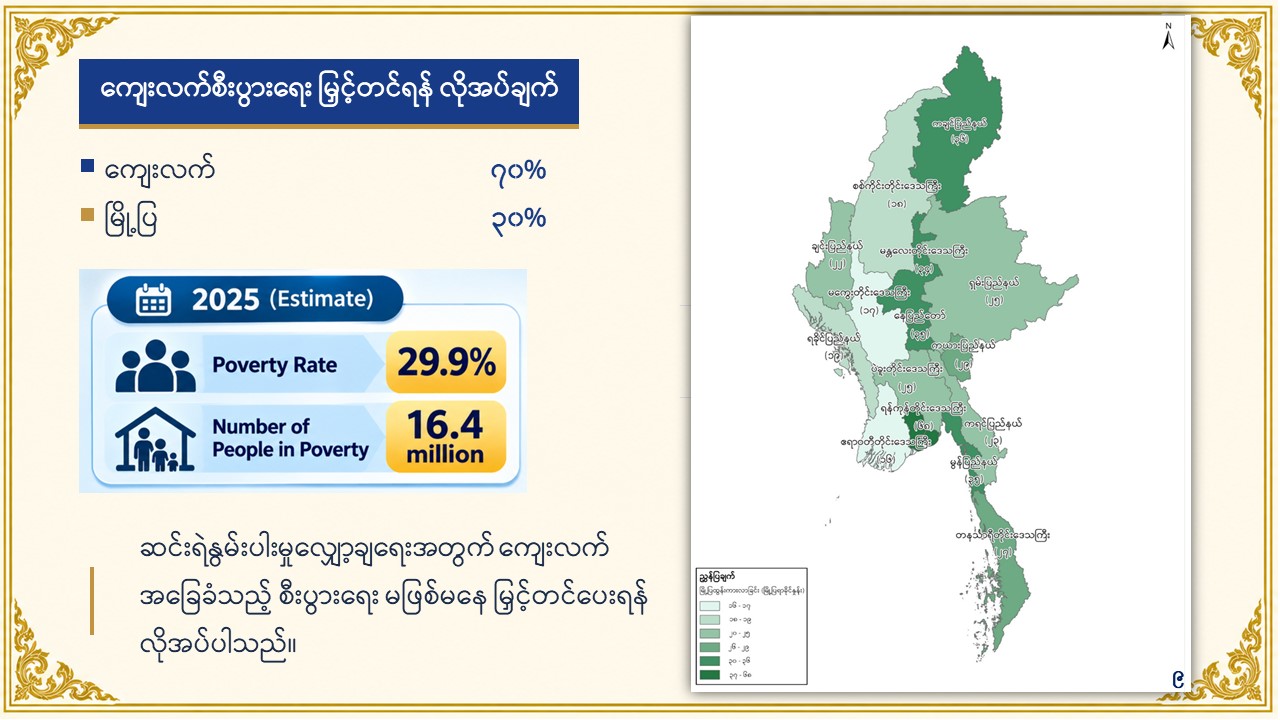
Myanmar’s economy is primarily based on agriculture and livestock breeding. Approximately 70 per cent of the country’s population lives in rural areas. Of this population, around 50 per cent earn their livelihoods from agriculture, livestock breeding, forestry and fisheries. This demonstrates that the country’s economy is largely driven by agriculture and livestock-related activities. Looking back at Myanmar’s economy throughout successive periods, in addition to agricultural and livestock activities, the country also extracted, produced and exported above-ground and underground natural resources. As extensive logging activities were also carried out, forest coverage in Myanmar has now declined to only around 41 per cent. The government is making efforts to restore and conserve forests through tree planting, with the aim of increasing the country’s total forest coverage to 50 per cent. Similarly, measures are being taken to ensure the sustainable management of mineral resources and prevent excessive extraction of non-renewable minerals.
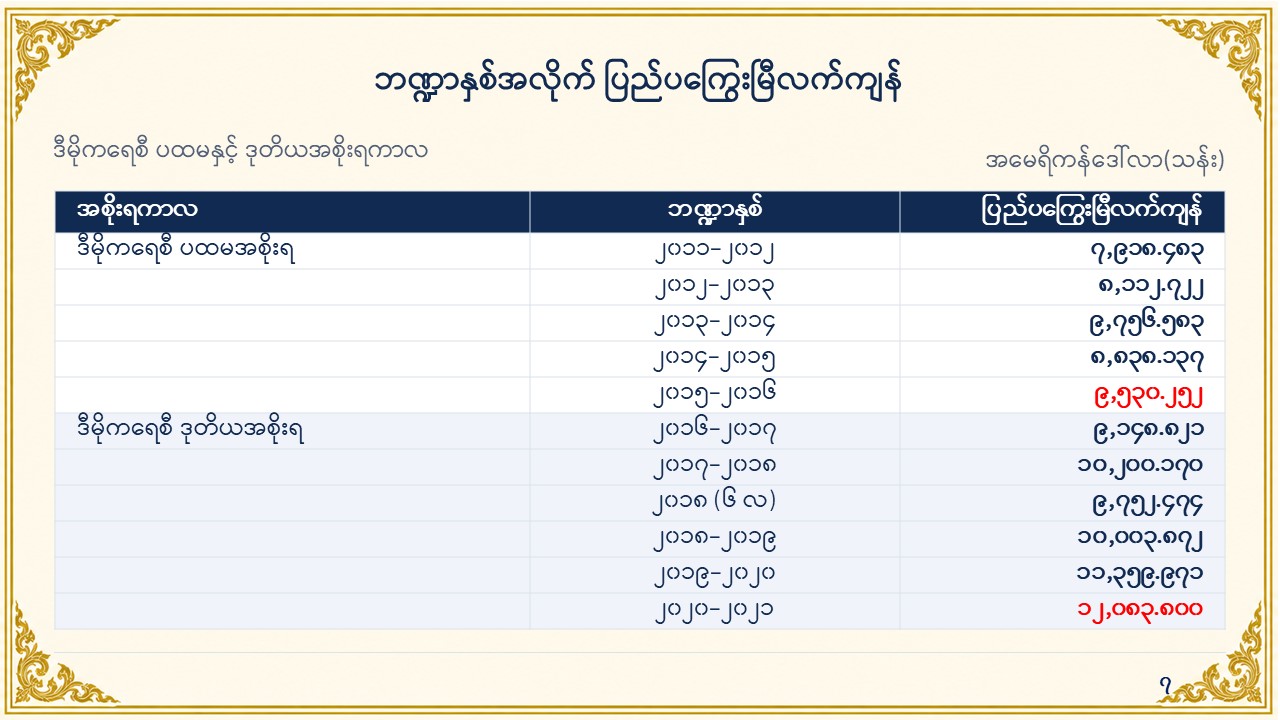
In successive periods, the shortage of domestic products resulted in imbalances between exports and imports. Trade deficits were covered through non-trade sources of income, including foreign loans, grants, foreign investment and tax revenues. As a result of these practices, the country’s external debt increased over the past decade. During the first democratically elected government from 2011 to 2016, the external deficit amounted to approximately US$12.1 billion. During the second democratically elected government from 2016 to 2021, the external deficit stood at approximately US$12.6 billion, bringing the total external deficit for the two periods to around US$24.7 billion. During its tenure, the current government repaid as much of the country’s external debt as possible, reducing it to US$8.69 billion in the 2025-2026 FY. In repaying these external debts, the government did not receive any grants or loans from foreign sources. As of 30 September 2026, the country’s external debt had further declined to US$8.5 billion.
To earn foreign exchange, it is essential to make every effort to increase domestic production. According to a World Bank report, approximately 16.4 million people, or 29.9 per cent of Myanmar’s population, were living in poverty in 2025. Although the figures may contain some inaccuracies depending on the underlying data used, they are likely to be reasonably accurate to a certain extent.
To promote the development of rural areas, it is essential to establish and promote a rural-based economy. Myanmar has sufficient agricultural land as well as abundant water resources. Major rivers, including the Ayeyawady, Chindwin, Sittoung and Thanlwin, can provide adequate water for agricultural purposes. However, due to the country’s inability to fully and effectively utilize these water resources, approximately 80 per cent of the water flows into the sea. Therefore, if the country’s existing land and water resources are systematically utilized for agriculture and livestock breeding, agricultural and livestock production can be increased considerably beyond its current level. The key requirements are for everyone to make genuine efforts to work and for the State Government to create the necessary conditions and employment opportunities for people to engage in productive activities.
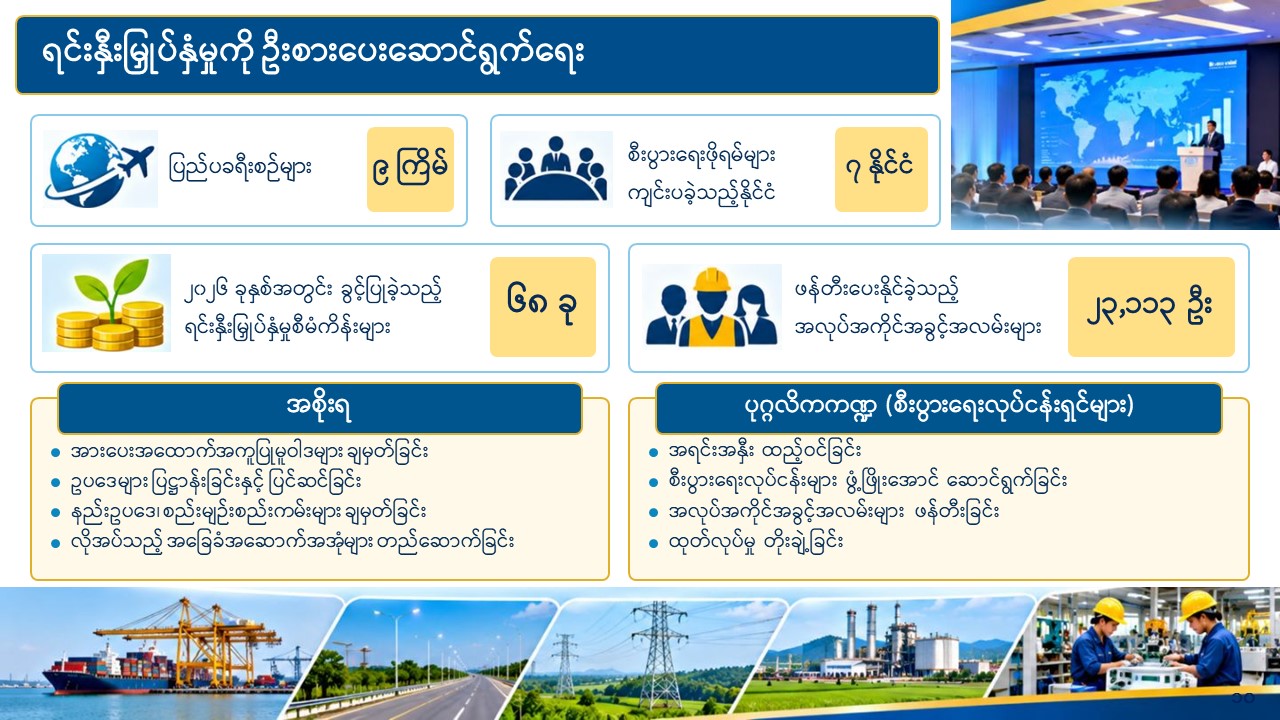
Since assuming State responsibilities, I have continuously made efforts to promote the country’s economic development. I have paid State-level goodwill visits to nine foreign countries and held economic forums in seven of them. During these economic forums, invitations were extended to encourage foreign investment in Myanmar, and some major countries have since held discussions with Myanmar and are taking steps towards cooperation. So far in 2026, 68 investment projects have been approved, creating 23,113 job opportunities. The government is responsible for establishing policies, laws, rules and regulations, while entrepreneurs are required to invest capital and generate employment opportunities and production. Hluttaw representatives should also study the relevant rules, regulations and laws and work towards enacting and implementing the necessary provisions to address existing requirements.
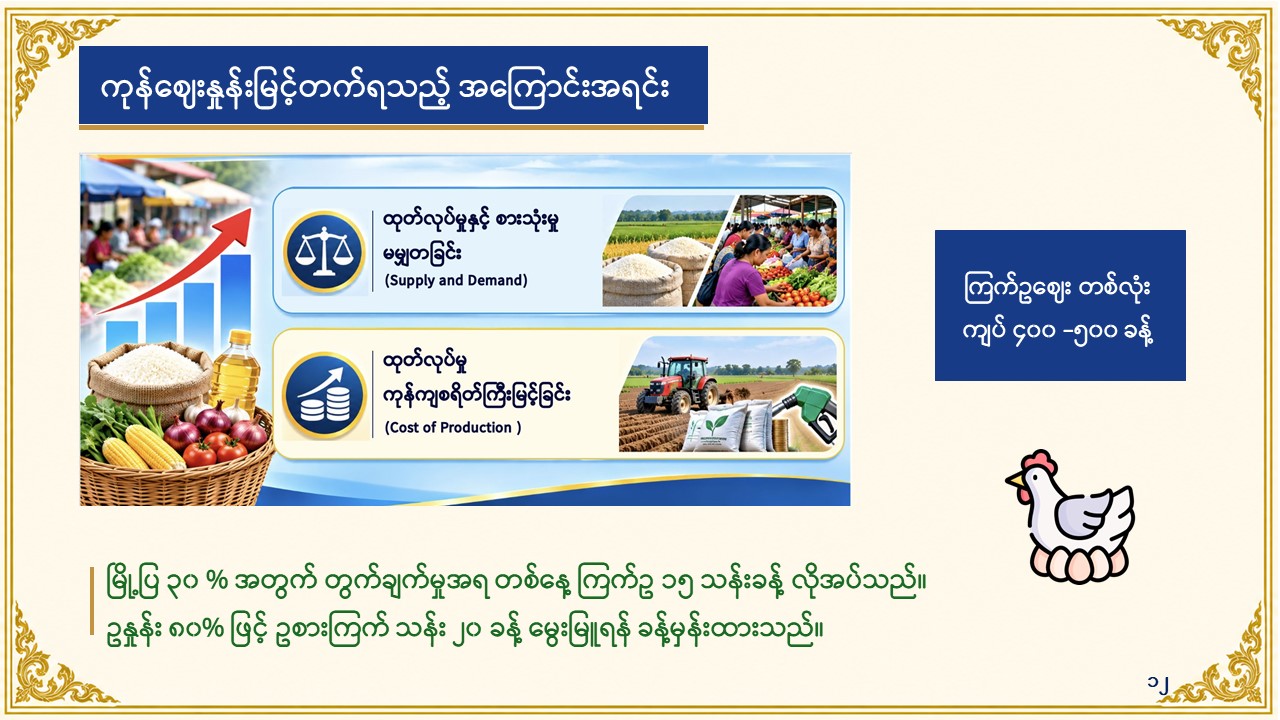
At present, one of the major challenges facing the country is the high cost of commodities. Historical experience shows that in any country, an imbalance between production and consumption leads to shortages of goods and rising commodity prices. High production costs can also contribute to higher commodity prices. Goods can only be made available through production, and without sufficient production, there will be no commodities to sell. Myanmar has an urban population of approximately 15 million, requiring around 15 million eggs for daily consumption. To meet this demand, approximately 20 million laying hens would be needed if the egg-laying rate were 80 per cent, around 22 million hens at a 70 per cent rate, and approximately 25 million hens at a 60 per cent rate. Taking this as an example, livestock breeding activities should be carried out effectively in each region to help reduce high commodity prices.
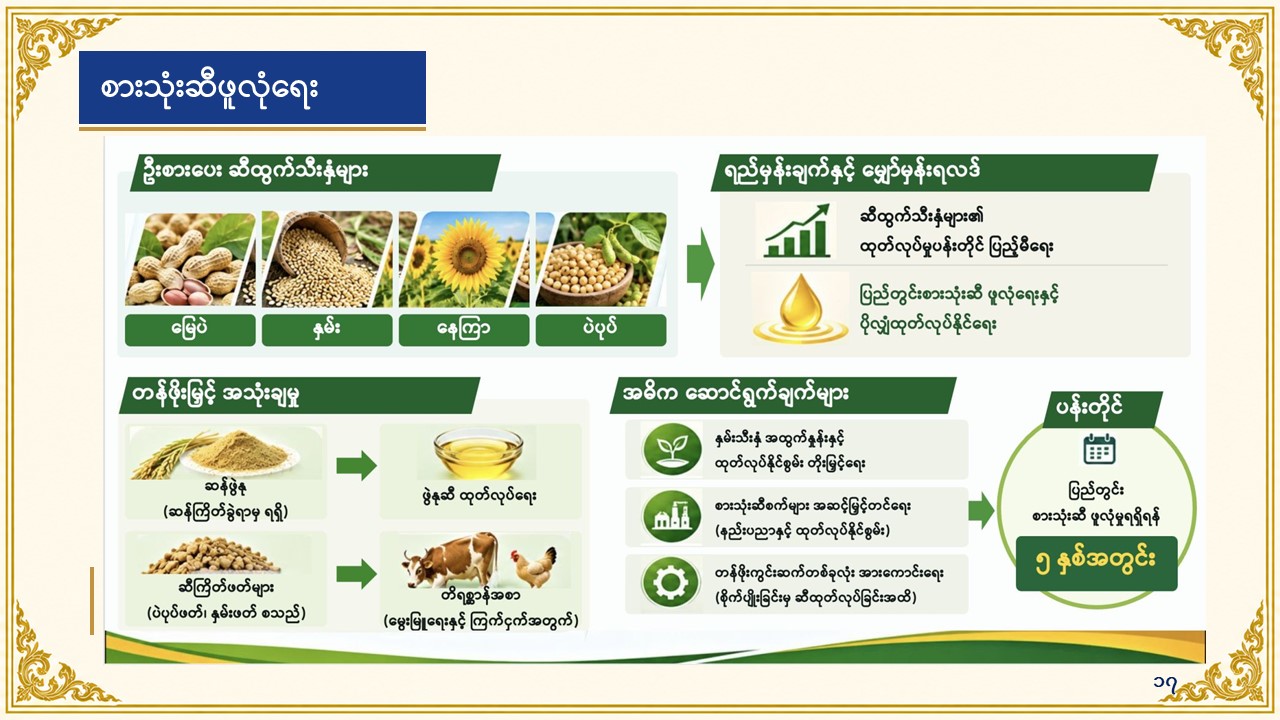
It can be observed that other countries have also successfully developed livestock breeding industries to support domestic food supplies. Myanmar must likewise ensure a balance between production and consumption. Animal feed should be produced using locally available agricultural by-products, such as broken rice, rice bran, maize and oilcake, to support livestock breeding activities in different regions. If the production of livestock products that contribute to food supplies can be increased while production costs are reduced, commodity prices will also decline.
To support efforts to lower commodity prices, the government is also arranging freight train services to transport goods by rail at lower costs.
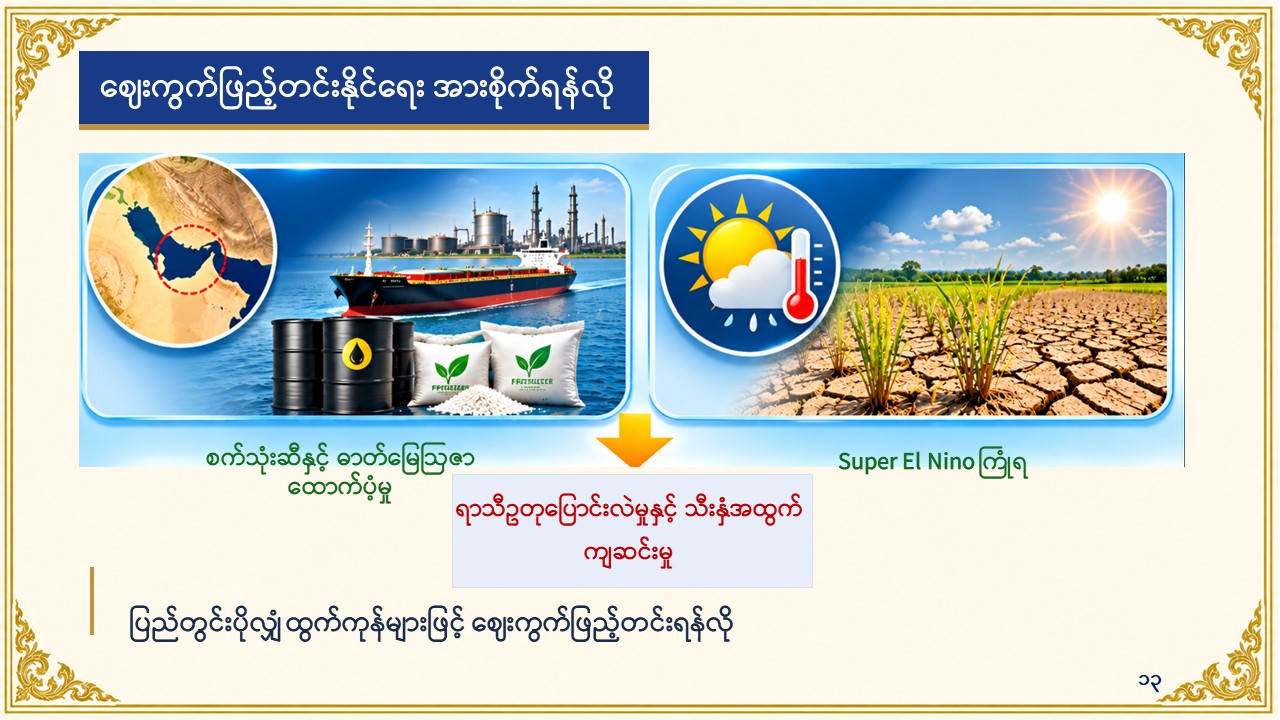
In view of the current global situation and the rising prices of fuel, tax exemptions have been granted on imported fuel to prevent domestic fuel prices from increasing excessively. Similarly, tax rates have been reduced on imported fertilizers to meet domestic demand. To bring down domestic commodity prices, it is essential to increase domestic production. In this regard, domestic entrepreneurs are encouraged to invest in and engage in agricultural and livestock production businesses to promote growth in domestic manufacturing and production.
At present, a Super El Niño phenomenon is occurring, resulting in abnormal weather conditions. As Myanmar is an agriculture-based country, climate abnormalities could adversely affect agricultural activities. The Super El Niño phenomenon is causing higher temperatures, and paddy fields ready for harvesting need to be harvested in a timely manner. Taking into account the possibility that climate abnormalities could affect agricultural activities and reduce crop yields, necessary measures should be taken to supply the domestic market with surplus agricultural products available within the country.
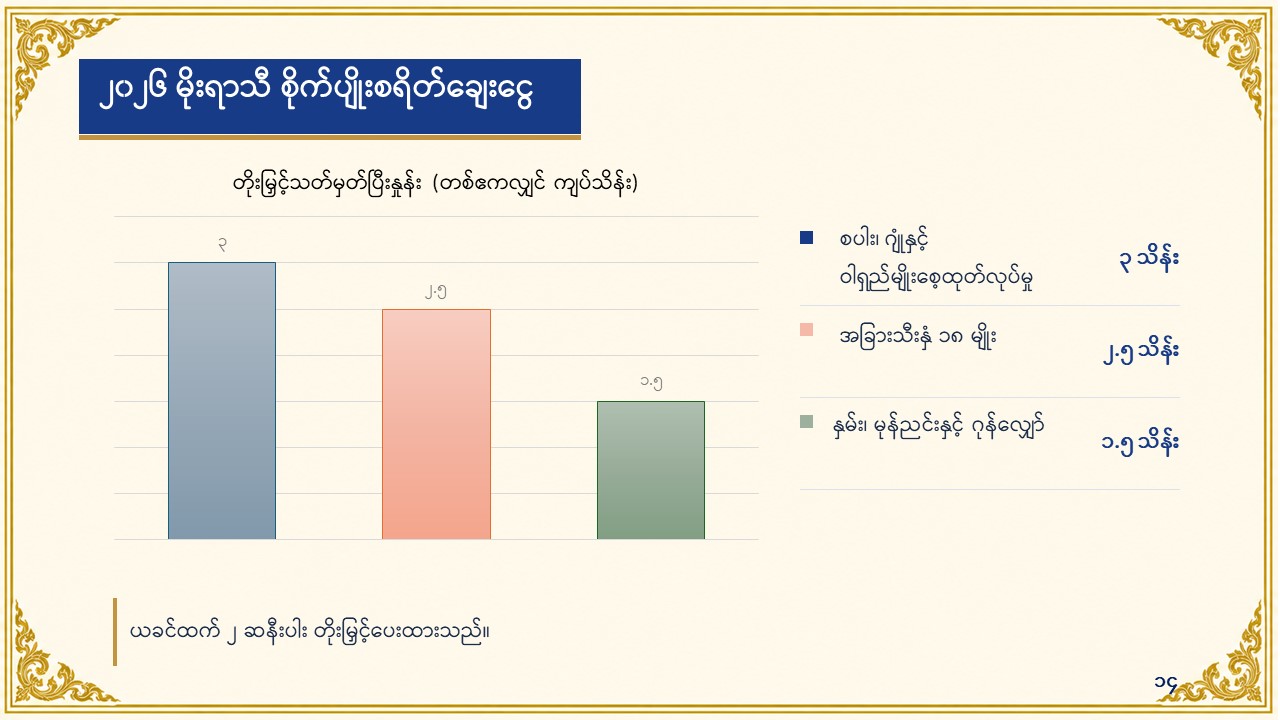
The government is providing agricultural loans based on the types of crops cultivated to promote the development of the agricultural sector. Myanmar is primarily a rice-exporting country, and it exported 2.8 million tonnes of rice in the 2025-2026 FY. The exported volume also included broken rice. To secure a larger share of foreign markets, Myanmar must export premium-quality rice. Therefore, farmers need to cultivate premium-quality rice varieties.
The key factors in improving agricultural yields are access to premium-quality and pure seeds, maintaining soil fertility, ensuring an adequate supply of irrigation and supplementary water, and adopting proper cultivation methods. In addition to using quality seeds, it is necessary to apply appropriate chemical and organic fertilizers, improve farmland conditions and systematically utilize water resources. In rice cultivation, yields can vary depending on the number of plants and panicles per unit of land, as well as the uniformity of plant growth throughout the field. Therefore, greater emphasis should be placed on systematic planting methods rather than broadcasting seeds.
During my visits to various regions and states and meetings with officials and members of the public, I learned that farmers were facing difficulties related to labour shortages and cultivation costs. In response, arrangements were made to enable farmers to use seed feeders. Some farms in certain areas, including Mon State, Bago Region and Ayeyawady Region, have achieved successful results through mechanized cultivation. Therefore, it is necessary to continue raising farmers’ awareness and providing practical support to ensure the effective application of agricultural technologies and machinery.
In summer paddy cultivation, not all available agricultural land has yet been effectively utilized, and some areas remain uncultivated. According to survey findings, some of these lands are being used to grow oil crops and pulses. Therefore, priority should be given to ensuring the availability of water resources to expand agricultural activities. In addition to the Ayeyawady, Chindwin, Sittoung and Thanlwin rivers, agricultural activities could be expanded by systematically identifying, developing and utilizing water resources from streams, creeks, canals and underground sources. Therefore, Hluttaw representatives are urged to assess and identify the difficulties encountered in agricultural and livestock activities, as well as the availability and requirements of water resources in their respective regions and states, when they return to their constituencies. They should give priority to reporting actual local conditions to the government and proposing necessary measures so that appropriate solutions can be implemented based on the needs of each area.
Myanmar’s Pawsan rice is a premium-quality rice variety that has been cultivated and produced in the country since ancient times. There are several well-known regional varieties, including Pathein Pawsan, Bago Pawsan and Shwebo Pawsan. Myanmar Pawsan rice has an outstanding record of winning first prize at the World Rice Competition in 2011. However, its reputation and quality subsequently declined for various reasons. Since assuming State responsibilities, I have made concerted efforts to restore the international reputation of Myanmar Pawsan rice and promote a new era for this premium rice variety. As a result of these efforts, Myanmar Pawsan rice won the World’s Best Rice Award for the second time at the World Rice Expo held in Manila, the Philippines, in October 2026. To sustain these achievements over the long term, it is essential to continue maintaining and improving rice quality. Although Pawsan rice commands a higher market value than other rice varieties, it cannot be cultivated with uniform quality in every region, as its quality varies depending on soil types, climatic conditions and the natural environment. Therefore, farmers should select and cultivate only those varieties suitable for the designated growing regions. If rice that does not meet the required quality standards is marketed and exported under the name of Pawsan, it could damage the international reputation and credibility of Myanmar Pawsan rice. Accordingly, strict attention must be paid to quality control.
Furthermore, just as India’s Basmati rice and Thailand’s Jasmine rice are internationally renowned varieties, efforts should also be made to establish Myanmar’s Pawsan rice as a strong and recognized brand in the international market. Farmers and responsible officials from the regions and states should not shift en masse to cultivating the same types of crops simply because of their market prospects or the availability of buyers. Instead, priority should be given to crops that are suitable for local conditions and meet market demand. All activities throughout the agricultural production chain should be carried out with a focus on achieving long-term benefits.
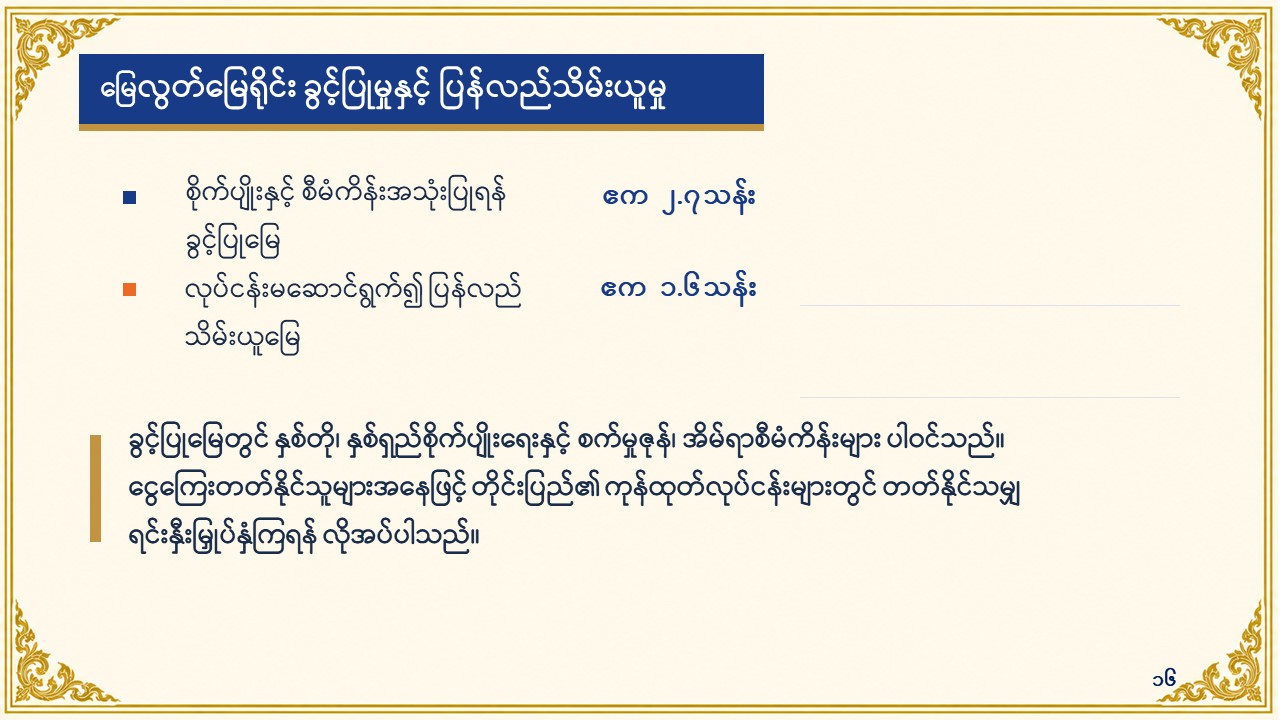
Myanmar has considerable potential to utilize vacant, fallow and virgin lands for national development purposes, including annual and perennial agricultural activities, industrial zones and housing projects. However, there have also been cases in which land allocated for specific purposes, after obtaining the necessary approval, was not actually utilized within the prescribed period and was instead converted for other purposes. Therefore, effective inspections and supervision must be carried out in accordance with the Vacant, Fallow and Virgin Lands Management Law. During reviews of land utilization, it was found that some previously allocated vacant, fallow and virgin lands had to be reclaimed because they had not been utilized in accordance with the prescribed conditions.
Therefore, responsible officials at the state and regional, as well as township levels, need to systematically manage land allocation, inspect land utilization and verify whether the approved projects have actually been implemented within the stipulated period.
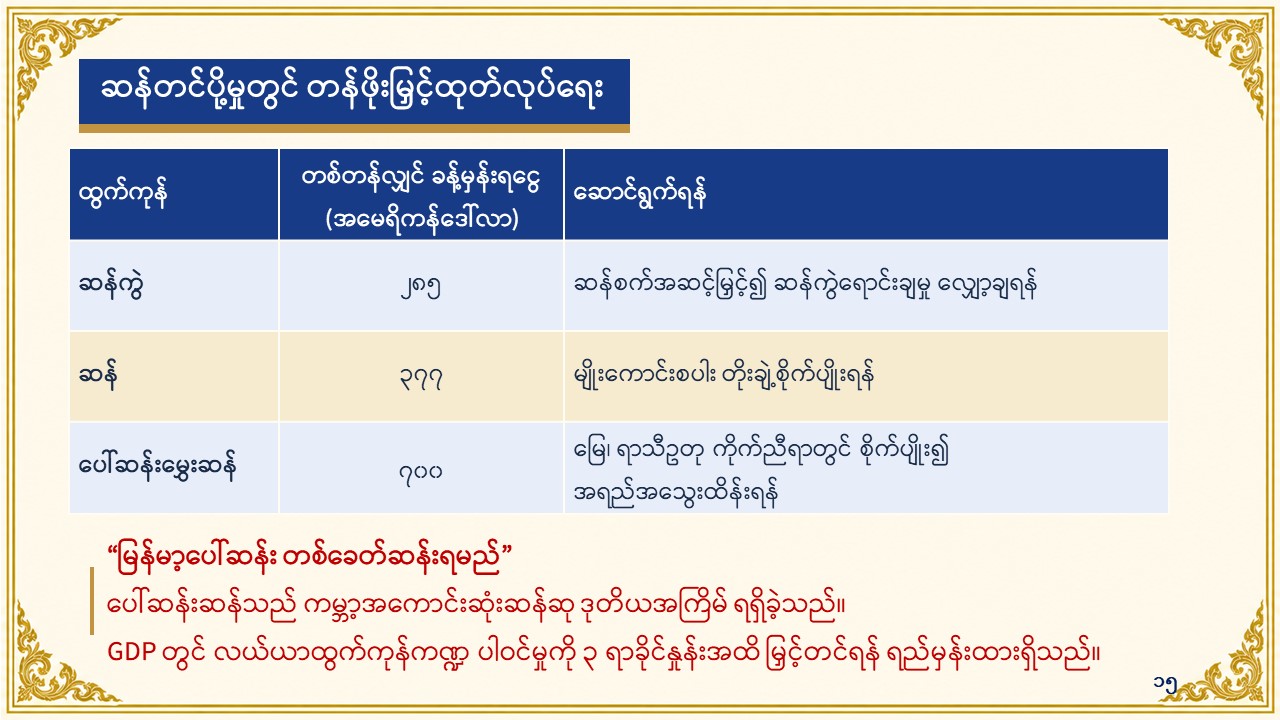
Myanmar remains dependent on imports for fuel and edible oil. As large quantities of these products have to be imported annually, it is necessary to increase the domestic cultivation and production of oil crops in order to reduce foreign exchange expenditure. In this regard, the cultivation and production of oil crops, including sesame, groundnut, sunflower and soybean, should be expanded based on the suitability of local soil and climatic conditions in each region. Representatives should also review the measures being undertaken to achieve edible oil self-sufficiency in their respective regions and highlight any issues requiring attention.
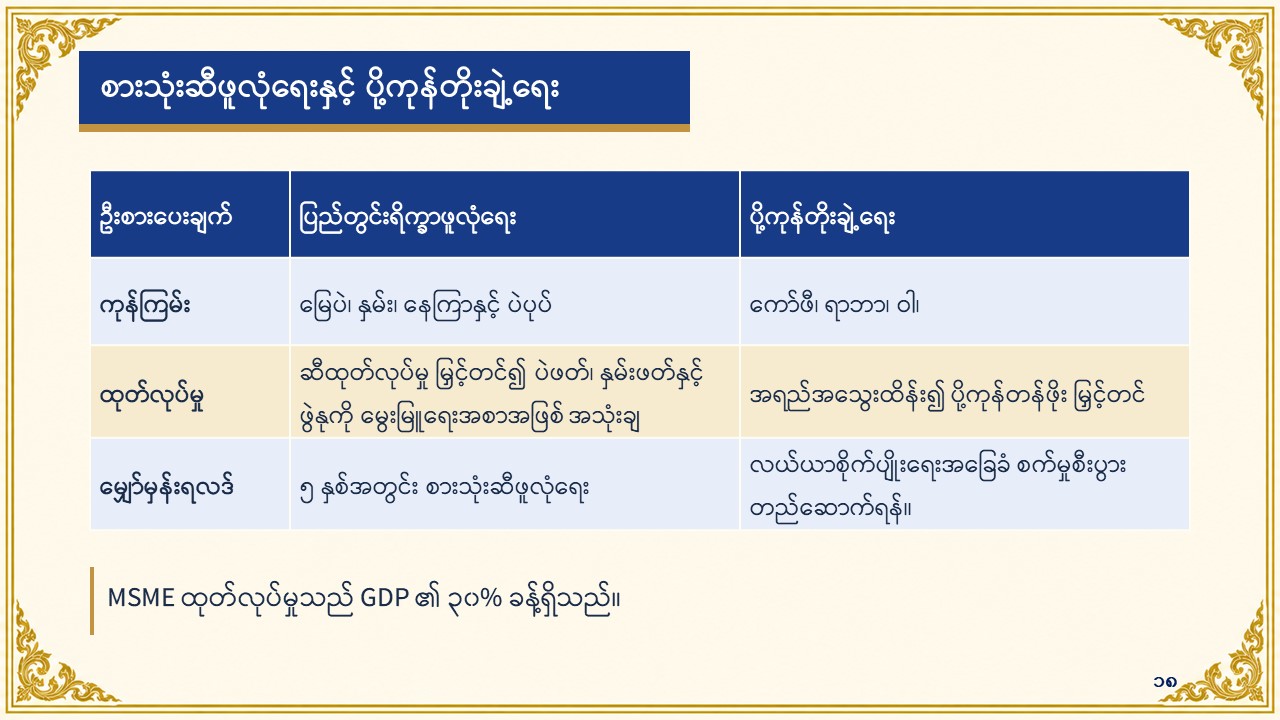
To boost export earnings, the President emphasized expanding the cultivation of rubber, cotton, and high-value crops such as highland Arabica coffee grown above 3,000 feet and cocoa, which serves as a primary raw material for chocolate manufacturing. He noted that suitable regions, including Taninthayi Region, hold strong potential for coffee expansion, while cocoa can be effectively intercropped within existing rubber, oil palm, durian, and other perennial plantations. However, he pointed out that inspections of agricultural lands previously allocated for coffee cultivation in PyinOoLwin and Nawnghkio revealed that many plots were being misused for private residences, livestock farms, and resorts instead of their intended purpose. Consequently, he stressed the necessity of strict oversight to ensure allocated lands are genuinely utilized for agriculture.
Turning to domestic manufacturing, the President highlighted the vital role of Micro, Small, and Medium Enterprises (MSMEs) in driving economic growth, creating jobs, and strengthening local economies. Having conducted 45 regional visits to support MSME development, the government is encouraging industries based on local raw materials, such as cotton textile mills in cotton-growing regions and rubber-based manufacturing in rubber-producing areas, to meet rising domestic demand for motorcycle and motor vehicle tyres and inner tubes. He welcomed ongoing initiatives, including a footwear factory operating in Kayin State and plans to manufacture tyres and inner tubes in Taninthayi Region, urging parliamentarians and officials to actively promote similar local resource-based enterprises.
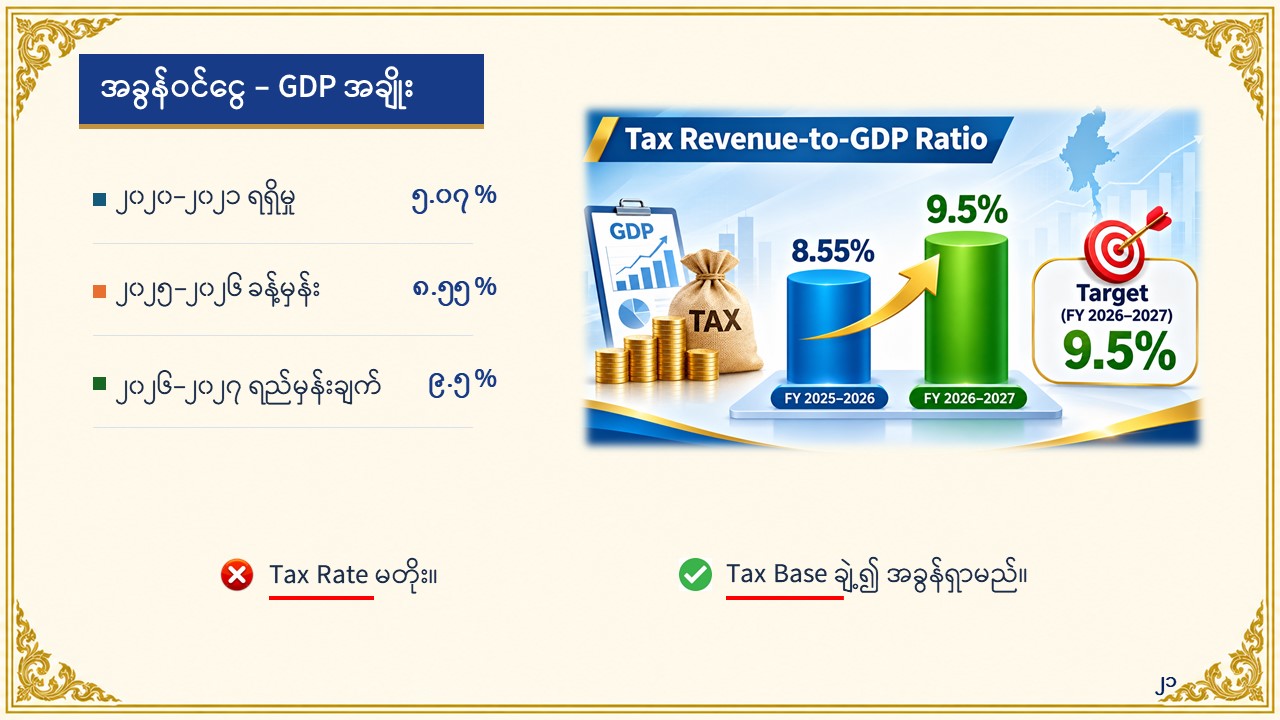
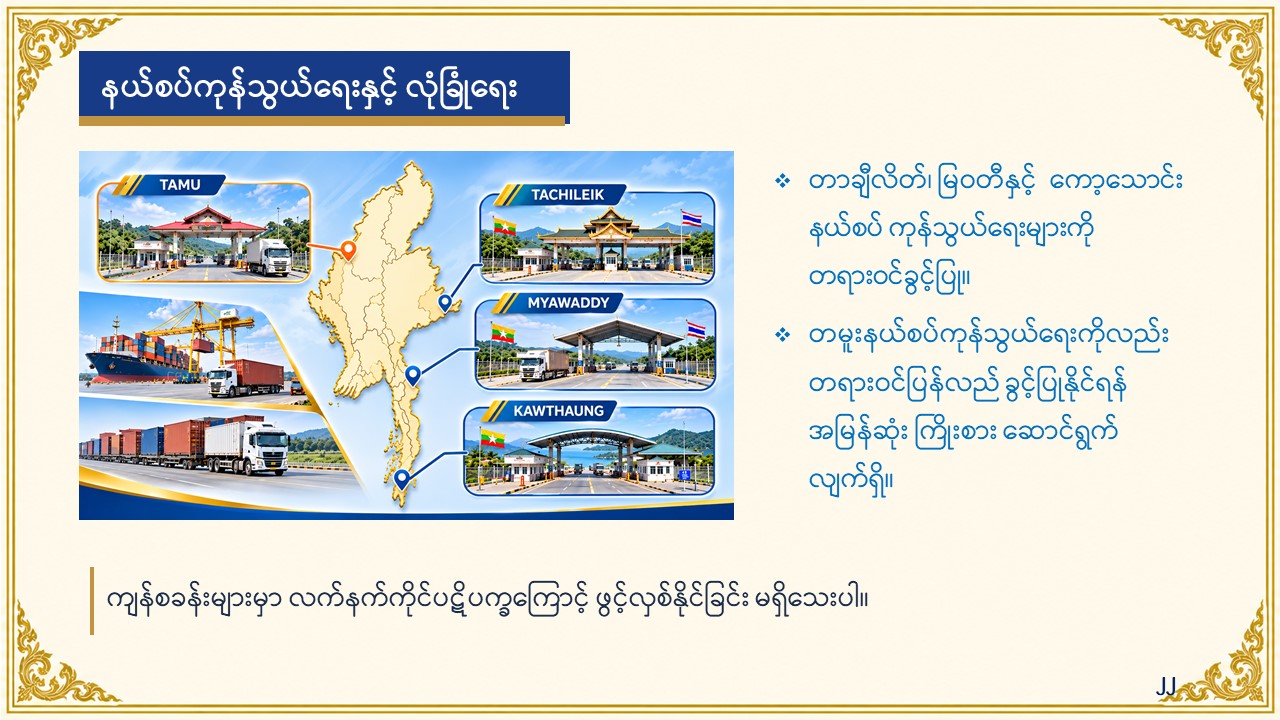
To bolster state revenue for national development, the President underlined the importance of full tax collection, aiming to raise the tax-to-GDP ratio from 8.55 per cent in the 2025-2026 financial year to 9.5 per cent in 2026-2027. Rather than increasing tax rates, the government will focus on widening the tax base to boost state income and fund civil servant salaries and public necessities. Alongside boosting domestic production and promoting orderly border and regular trade, he stressed the urgency of combatting illegal border trade, which not only deprives the state of tax revenue but also provides financial support to armed groups through unauthorized border crossings.
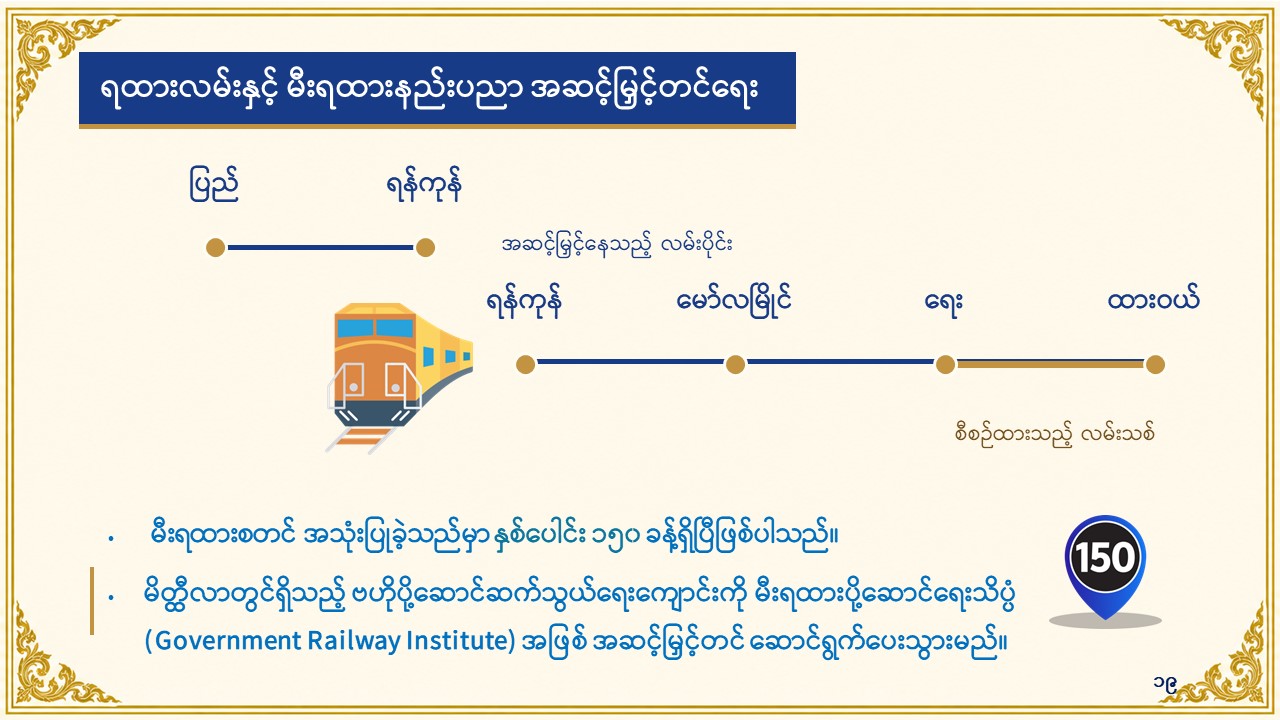
Highlighting transport infrastructure as a backbone of economic progress, the President noted that poor road and rail conditions restrict vehicle speeds regardless of fleet quality. Ongoing efforts to upgrade the Yangon-Mandalay, Yangon-Pyay, Yangon-Mawlamyine, and Mawlamyine-Ye railway lines include ballasting, systematic installation of sleepers, improved drainage, and reinforcing railway bridges to withstand the pressure and vibration of trains travelling at 70 to 80 kilometres per hour. Plans are also underway to build double-track railways to reduce collision risks and to construct a new coastal railway from Ye to Dawei to connect with the Dawei Deep-Sea Port, thereby enhancing regional freight flow and commerce.
Addressing the nearly 150-year-old Myanma Railways, the President called for leveraging local engineering capabilities and existing factory infrastructure to manufacture train carriages domestically, which will build technical self-reliance and conserve foreign exchange. Furthermore, the Central Transport and Communications Training School in Meiktila is being upgraded into a three-year Government Railway Institute to train specialists in railway technology, mechanical and electrical engineering, and administration, complemented by the establishment of a dedicated railway research department to modernize locomotives, carriages, and rail systems.
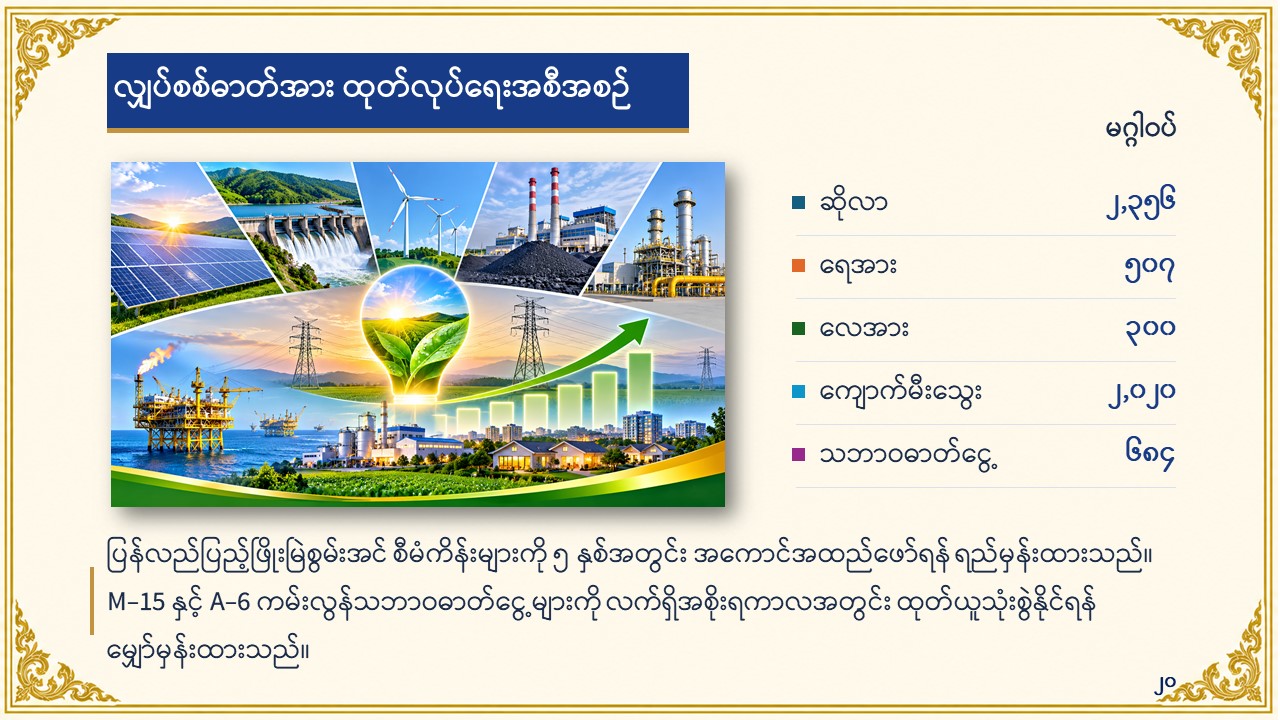
In the energy sector, the government is prioritizing renewable energy alongside conventional sources to meet national electricity demands, implementing solar, hydropower, wind, coal, and natural gas power projects tailored to regional conditions. The administration aims to generate over 5,000 megawatts within its five-year term, inviting domestic entrepreneurs to invest while continuing efforts to extract natural gas from Myanmar’s offshore blocks. In telecommunications, following successful 5G trials in Yangon, Nay Pyi Taw, and Mandalay, the government will work toward rolling out 5G connectivity nationwide.
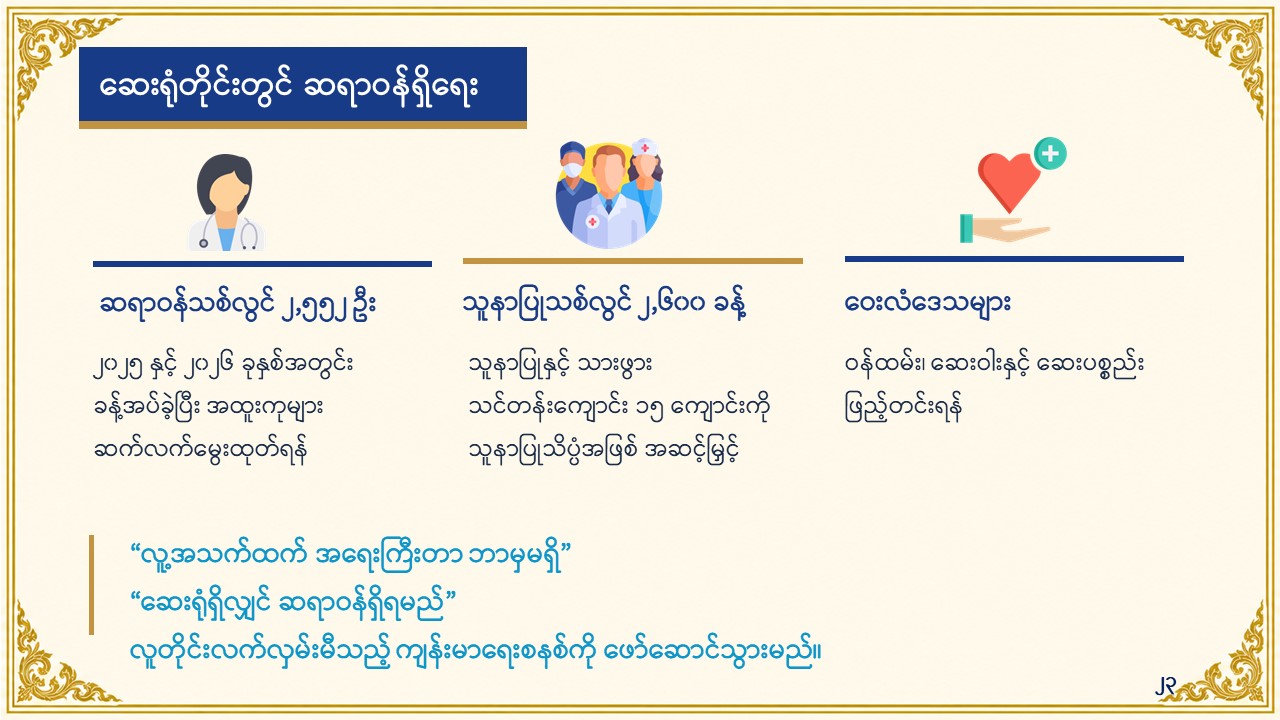
Regarding healthcare, the President reaffirmed the policy that every hospital must be staffed with a doctor. Following severe disruptions caused by staff walkouts during the 2021 political transition and the COVID-19 pandemic, the government deployed Tatmadaw doctors and nurses alongside retired medical personnel to maintain services across the country. Ongoing measures include appointing newly graduated doctors, deploying general practitioners to areas lacking specialists, upgrading nursing training schools to expand the nursing workforce, and providing staff housing to ensure long-term retention, alongside improving housing facilities for Tatmadaw personnel and Myanmar Police Force members safeguarding national security and the rule of law.
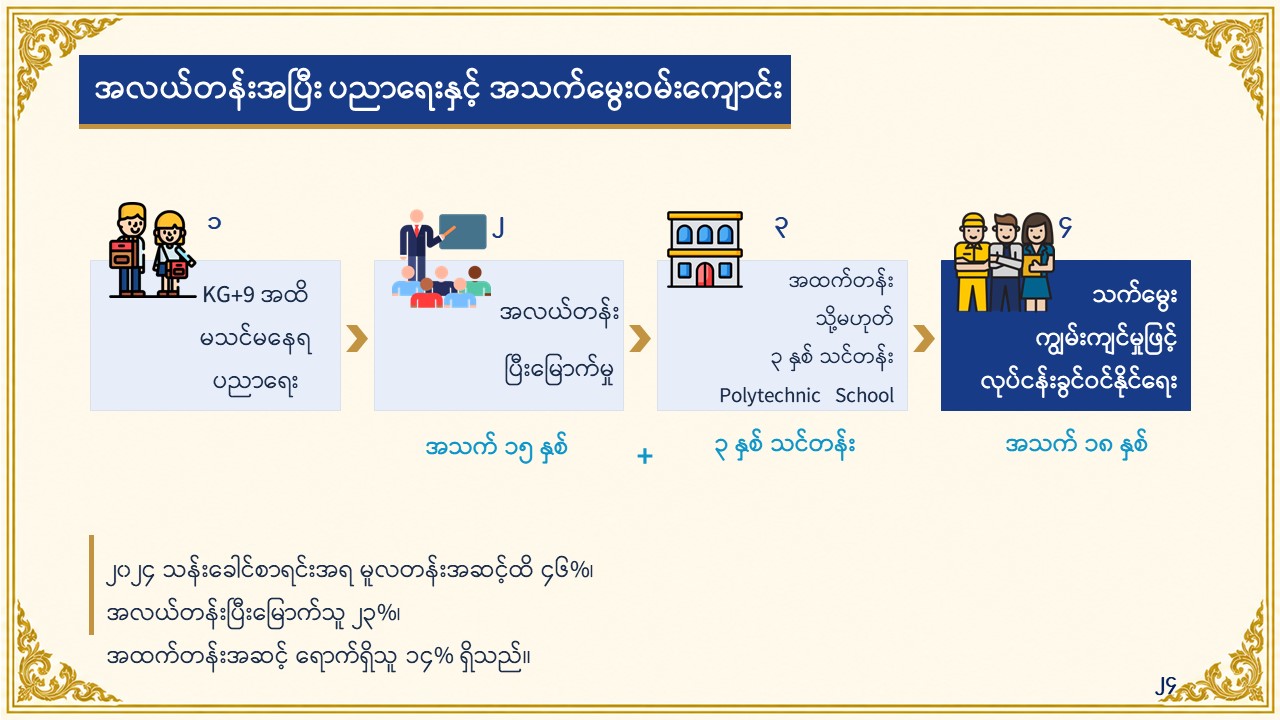
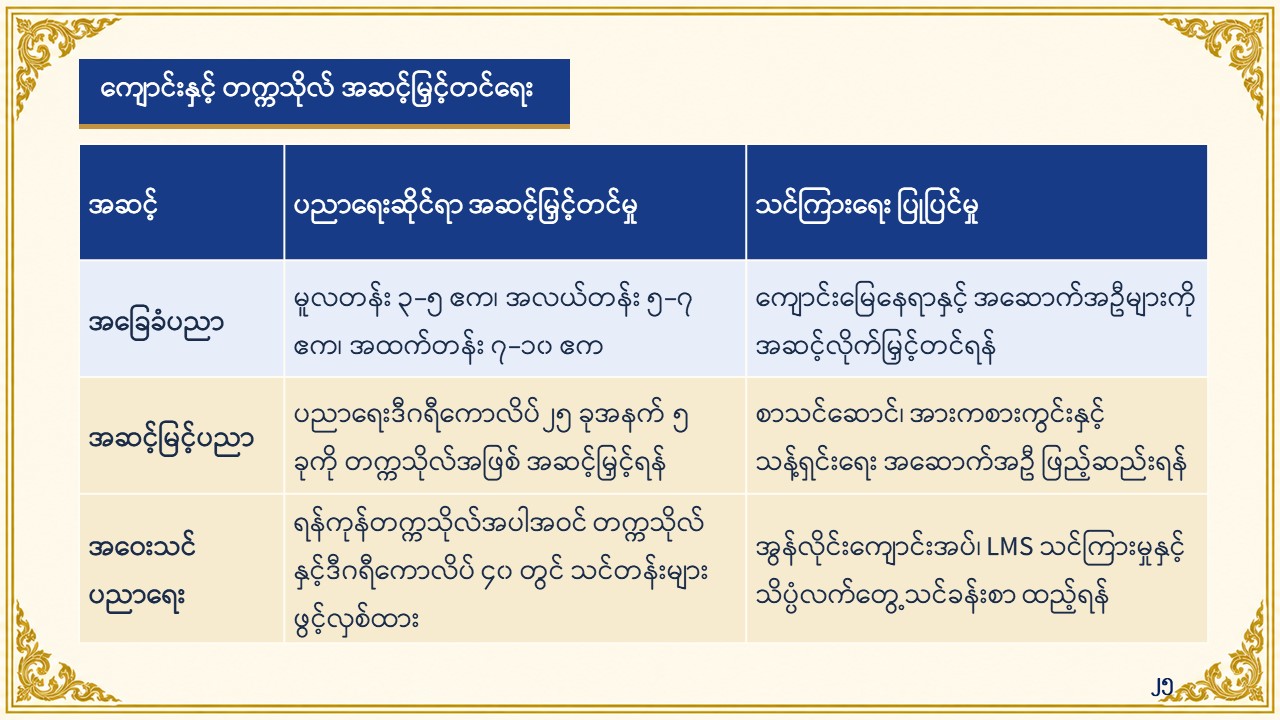
In education, the government is focused on keeping all basic education schools open, ensuring every school-aged child has access to schooling, and addressing teacher shortages and infrastructure needs resulting from over 120,000 educators – from primary teachers to university professors—joining the DCS. Efforts are also underway to upgrade education colleges and improve teacher training quality. Beyond academics, the President stressed instilling discipline, moral character, punctuality, respect for teachers, and reverence for the national flag and anthem among youth from an early age.
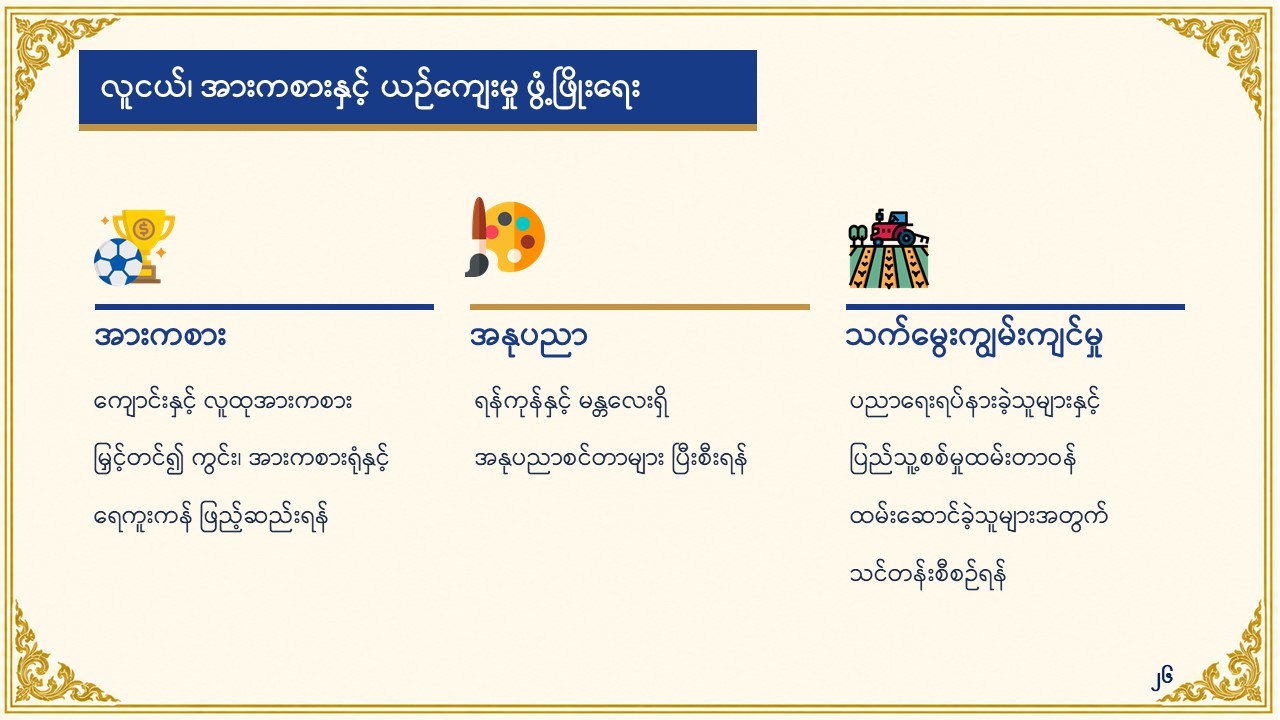
Linked closely to education, the President highlighted ongoing construction of stadiums, gymnasiums, football pitches, and swimming pools across states and regions to advance the sports sector. He emphasized maintaining existing facilities, supplying sport-specific training equipment, deploying skilled technical and fitness coaches, and encouraging orderly spectator support at sporting events. In the arts and culture sector, the government is renovating theatres and cultural buildings in Yangon and Mandalay to provide proper venues for performing traditional arts.
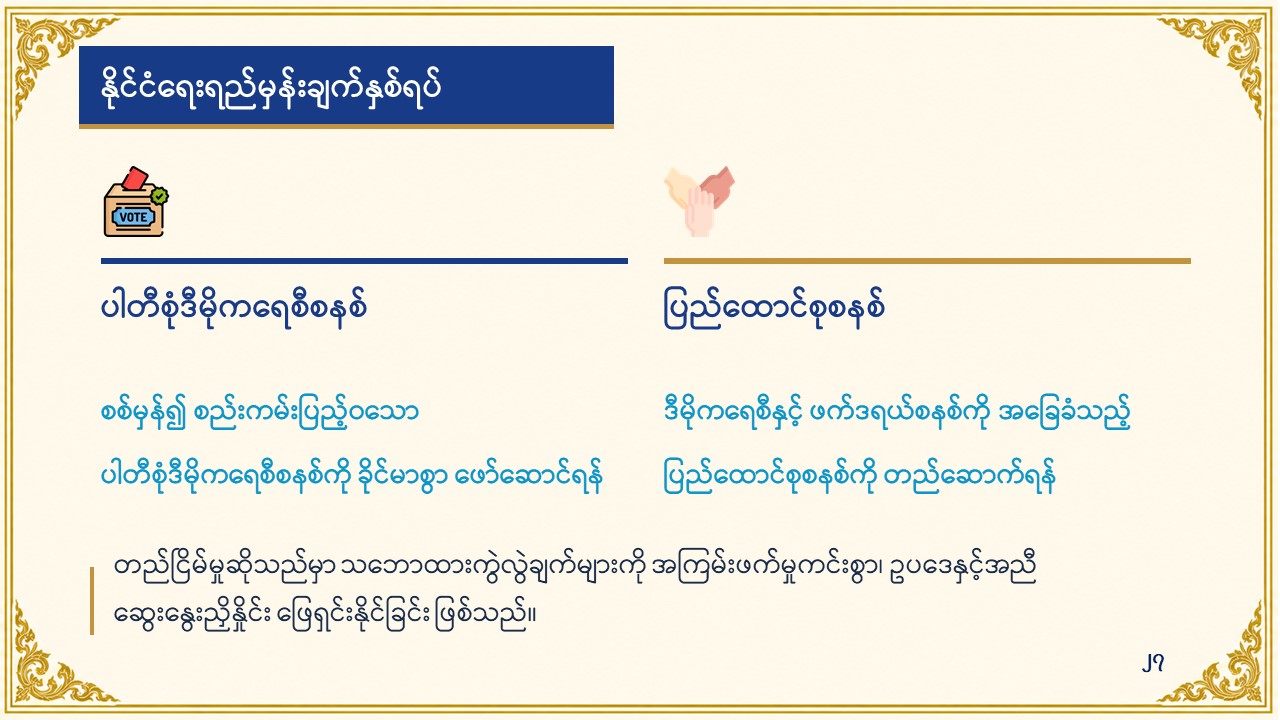
On political governance, the President reiterated the commitment to building a Union based on democracy and federalism through a genuine, disciplined multiparty democratic system. He noted that the Proportional Representation (PR) system was introduced during the administration’s tenure to ensure smaller parties and ethnic parties gain representation in the Hluttaw, urging lawmakers to accurately voice their constituents’ needs and resolve differing views through constructive dialogue that respects both majority rule and minority perspectives. Regarding federalism, he explained that while global federations such as India, Malaysia, the United States, Australia, Germany, and Switzerland operate under constitutional power-sharing, Myanmar will prioritize a region-based federal model over an ethnicity-based one, pointing out that states such as Kachin, Shan, Kayin, and Mon are home to diverse, coexisting ethnic populations.
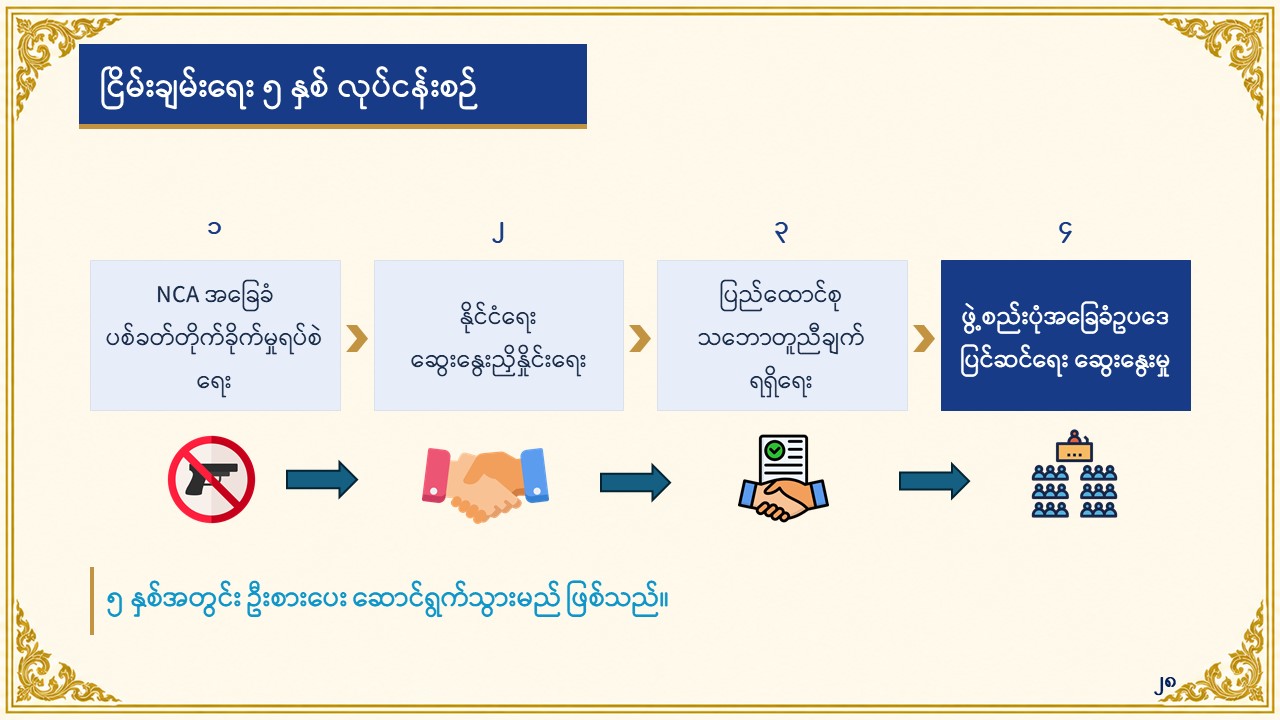
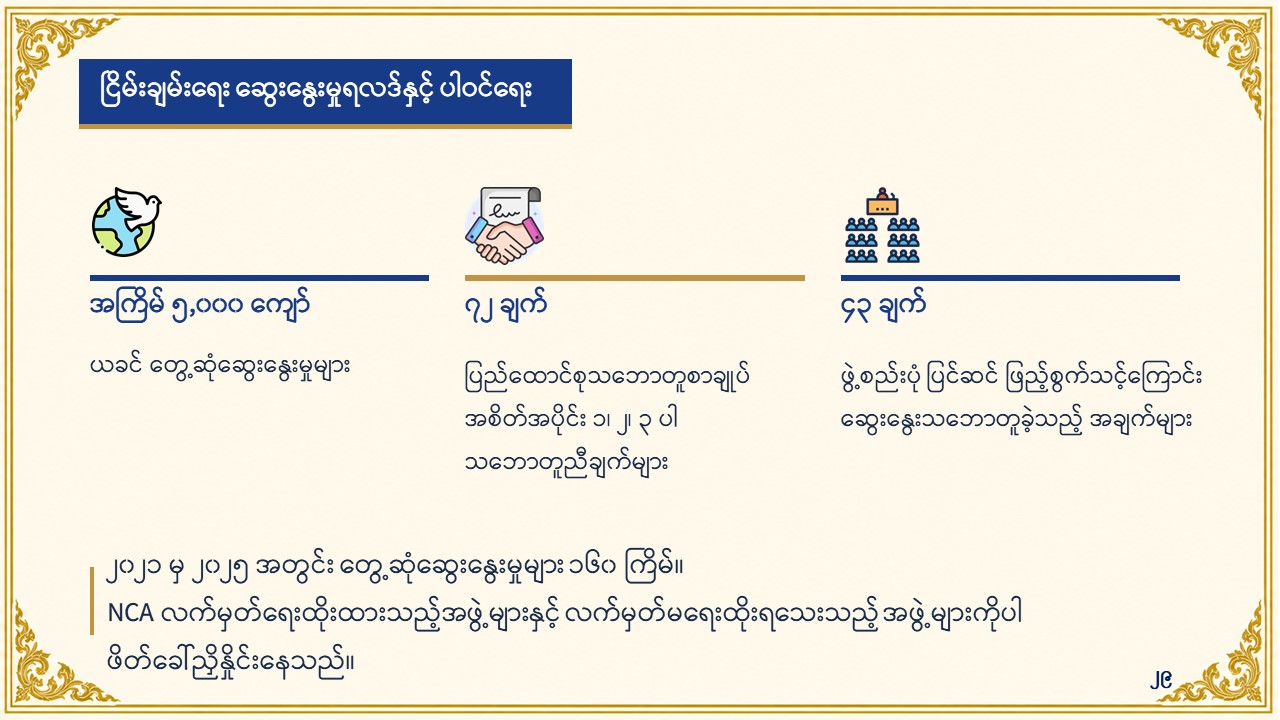
Pursuing lasting domestic peace, the President announced plans to convene a peace conference around Union Day in 2028 through the National Solidarity and Peacemaking Negotiation Committee (NSPNC). Building on the 2015 Nationwide Ceasefire Agreement (NCA) – achieved after over 5,000 meetings – and 160 dialogues held between 2021 and 2025 with ethnic armed organizations and political parties that produced 43 preliminary constitutional amendment agreements now submitted to parliament, he underscored the necessity of political negotiations to end decades of internal armed conflict. He reported that clashes between 2021 and 2025 caused casualties and K1,398.251 billion in damage to public infrastructure, roads, bridges, communications, and railways, attributing widespread destruction of public property to violent acts by groups labelled as PDF terrorists and certain EAOs, and calling for collective efforts to rebuild affected areas while safeguarding citizens’ lives and livelihoods.
Touching on disaster recovery, the President stated that the government spent US$1.8 billion of its own state funds to reconstruct areas devastated by severe flooding from Typhoon Yagi in 2024 and the major Mandalay earthquake in 2025, noting that assistance from ASEAN was minimal compared to actual needs and that no loans or aid were received from the World Bank or the Asian Development Bank.
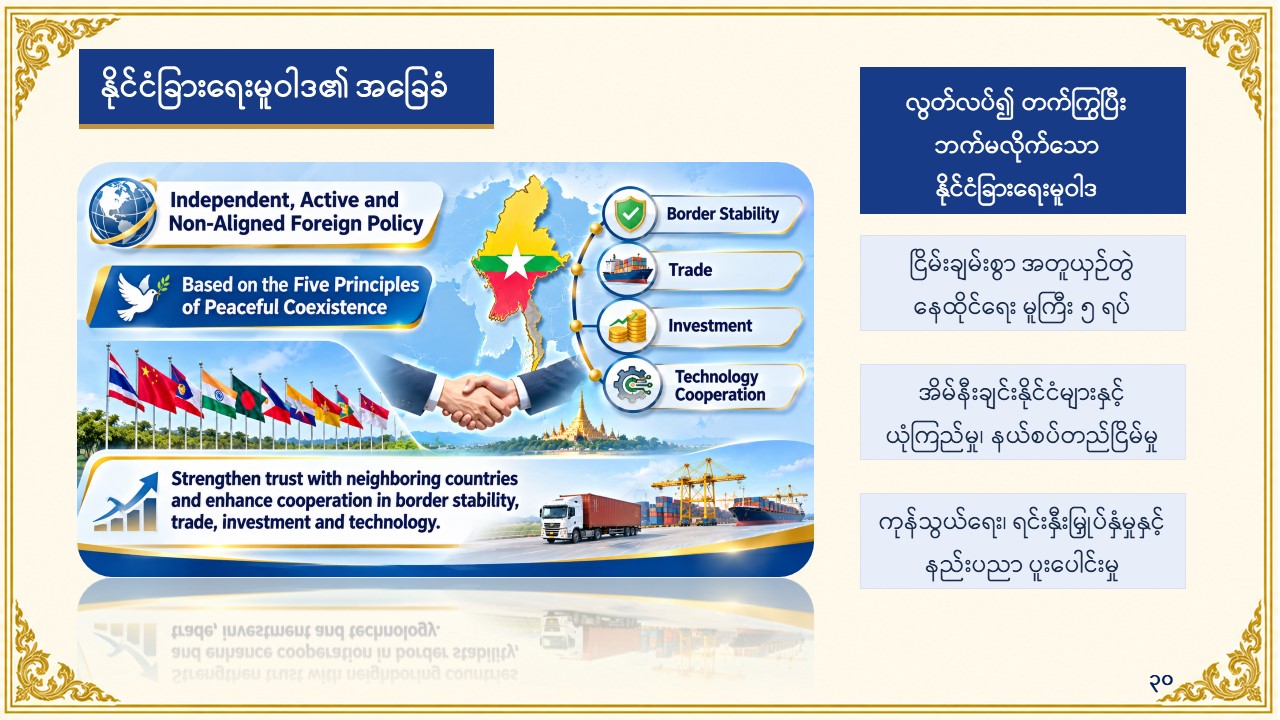
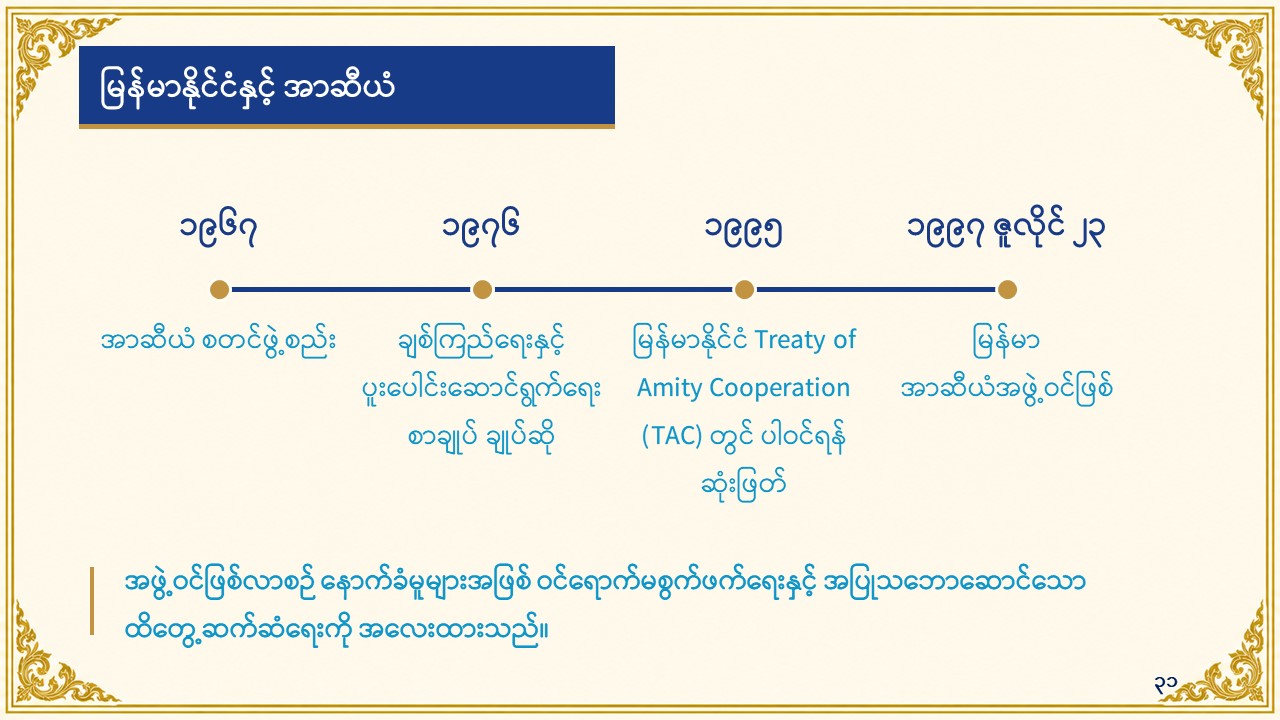
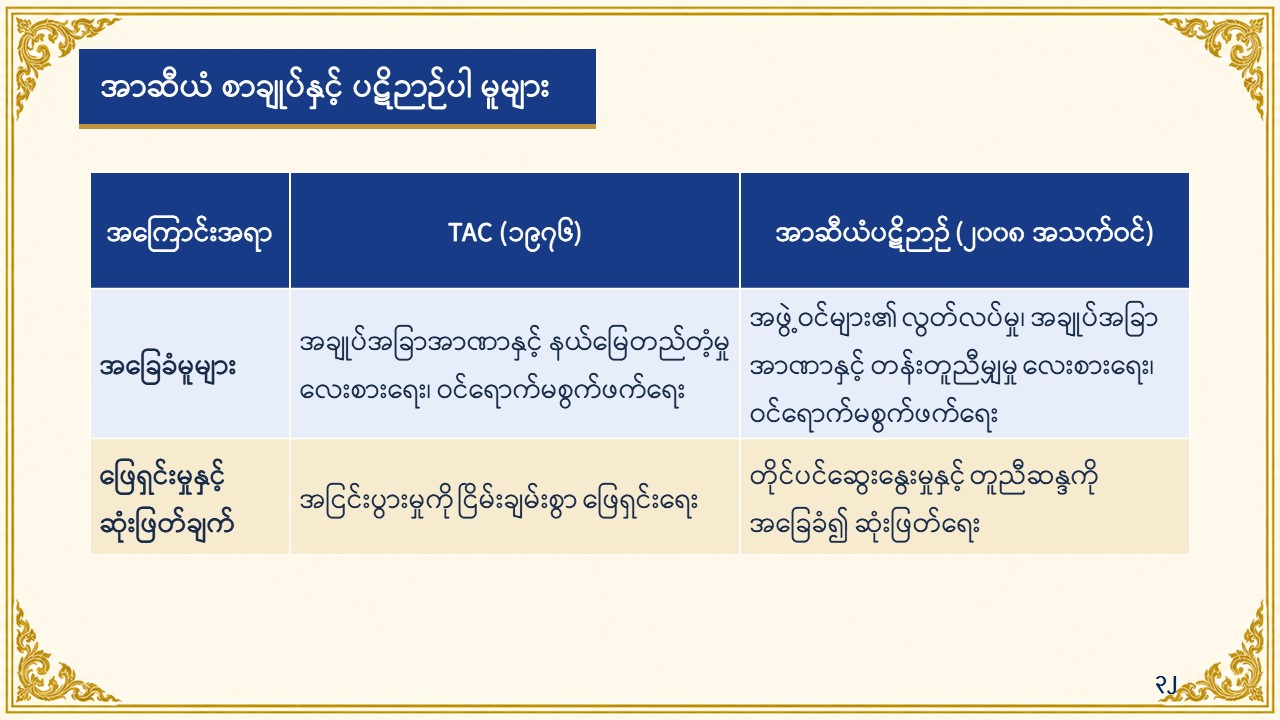
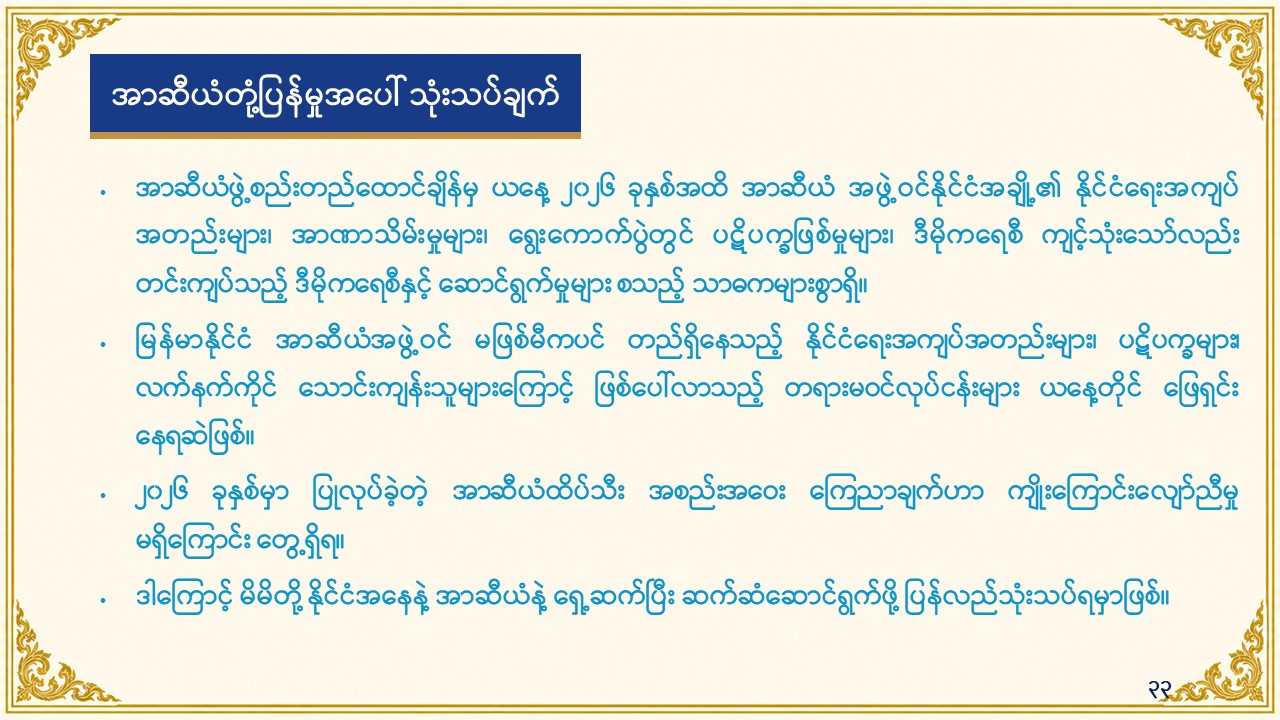
On foreign relations, the President expressed disagreement with recent ASEAN summit outcomes and statements that failed to represent the full consensus of all member states, announcing that the government will review its future engagement with the bloc. While recalling that Laos noted during the April 23, 2021 Jakarta summit that restricting a member’s representation ran counter to over 50 years of ASEAN precedent, he added that visits to neighbouring Laos, Vietnam, Cambodia, Thailand, and Malaysia showed their desire for Myanmar to resume normal relations within ASEAN, which Myanmar will continue discussing while upholding its sovereignty. Globally, Myanmar will maintain friendly ties with all nations—prioritizing neighbours—under its independent, active, and non-aligned foreign policy and the Five Principles of Peaceful Coexistence.
Concluding his address, the President emphasized that political stability, peace, economic development, education, and healthcare are deeply interconnected, and that developing skilled human resources is essential for national productivity. Affirming that his government, formed through parliamentary election and guided by decades of civil service and life experience, is working solely for the national interest rather than to cling to power, he urged lawmakers and the public to unite for all-round national progress.
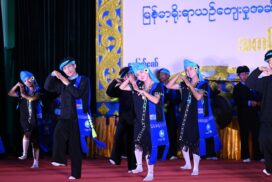
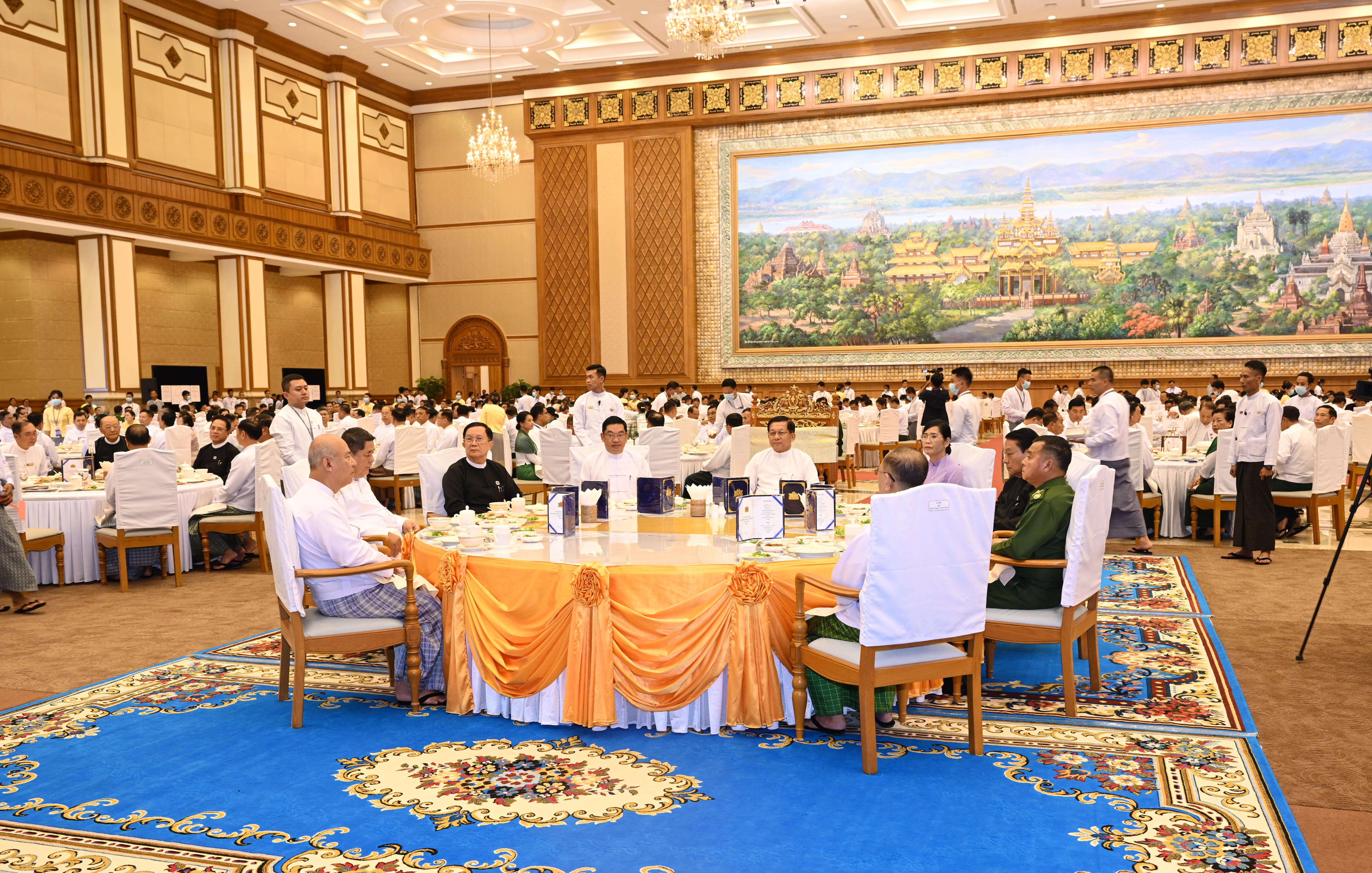
The Pyidaungsu Hluttaw subsequently placed the President’s address on record, after which the President attended a celebratory luncheon at the Hluttaw banquet hall featuring cultural performances before cordially greeting the attendees. — MNA/TTA+ST