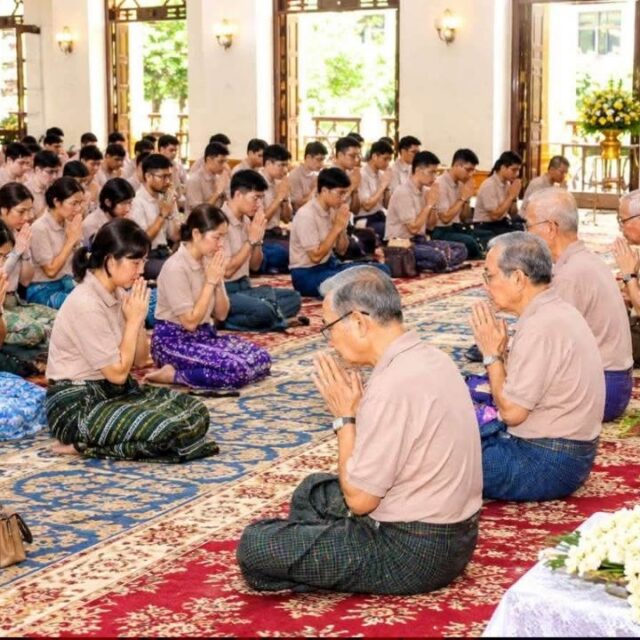
Every country must value and preserve its national culture, literature, language and traditional customs. Ethnic literature and languages, traditional arts, traditional attire, festivals and social customs are valuable cultural heritages that reflect the national identity of each respective ethnic group. Preserving these heritages means firmly safeguarding their original identity while continuing to develop and adapt in keeping with the changing times.
Maintaining national identity and preserving cultural heritage require peace and stability throughout the country. Achieving peace and stability is not solely the responsibility of the government; every citizen must participate responsibly in this effort. Everyone must conduct themselves in a disciplined manner and abide by the established laws and regulations. Only then can their respective community’s function under the rule of law and contribute to maintaining peace and stability. This will enable Myanmar society as a whole to enjoy the benefits of peace and prosperity and undertake development activities.
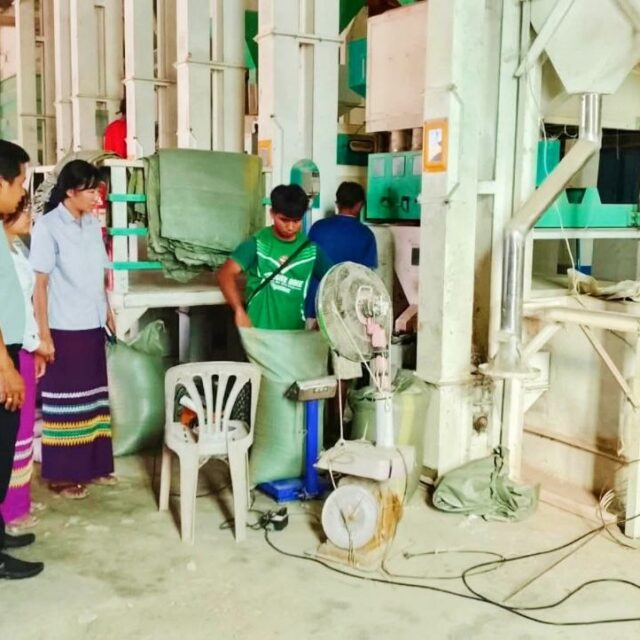
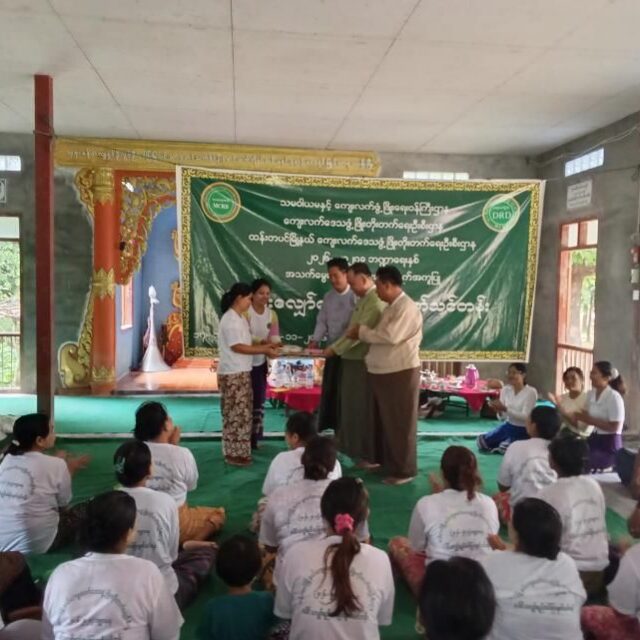
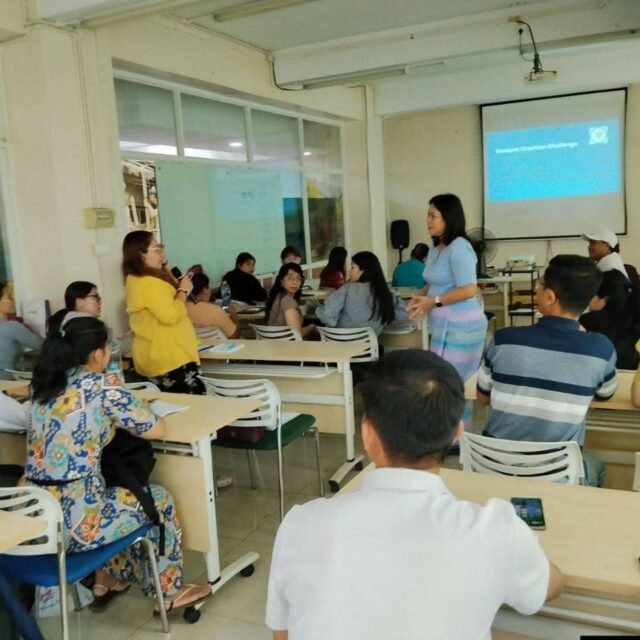
Regional development can only be successful if it is undertaken according to priorities set for each region. While giving priority to densely populated areas that are in need of development, short-term and long-term plans must be implemented to ensure the gradual development of other areas as well. Efforts should be made to accelerate development in areas that need it most, without discrimination between states and regions. At the same time, various measures must be taken through planned programmes to develop human resources among the people. Only then can the country and its citizens achieve comprehensive development.
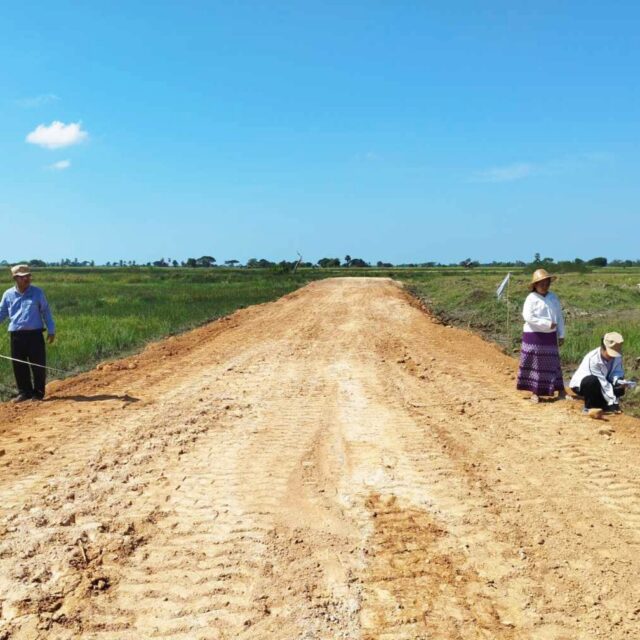
Regional development cannot be achieved through economic growth alone; improvements must also be made simultaneously in public health, education and the overall quality of life of the people. A healthy and strong human resource base is a fundamental driving force for the development of the country and its regions, while quality education is also a key resource in shaping the success of future generations. Therefore, in addition to ensuring that local people have access to healthcare and educational services, priority must also be given to developing transport networks, electricity supply, clean drinking water and basic infrastructure in accordance with the specific needs of each region.
Regional development can only be successful if it is undertaken according to priorities set for each region. While giving priority to densely populated areas that are in need of development, short-term and long-term plans must be implemented to ensure the gradual development of other areas as well. Efforts should be made to accelerate development in areas that need it most, without discrimination between states and regions. At the same time, various measures must be taken through planned programmes to develop human resources among the people. Only then can the country and its citizens achieve comprehensive development.
Peace is the foundation of regional development, while mutual trust and understanding are also key forces in building everlasting peace. Therefore, all relevant stakeholders should work together with sincerity and goodwill to resolve differences through mutual respect, tolerance, understanding and dialogue; reduce and eliminate violence and conflicts; and rebuild trust within communities.