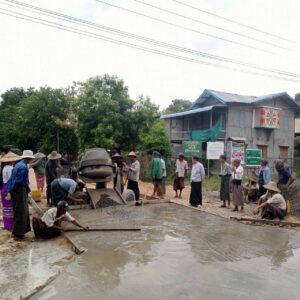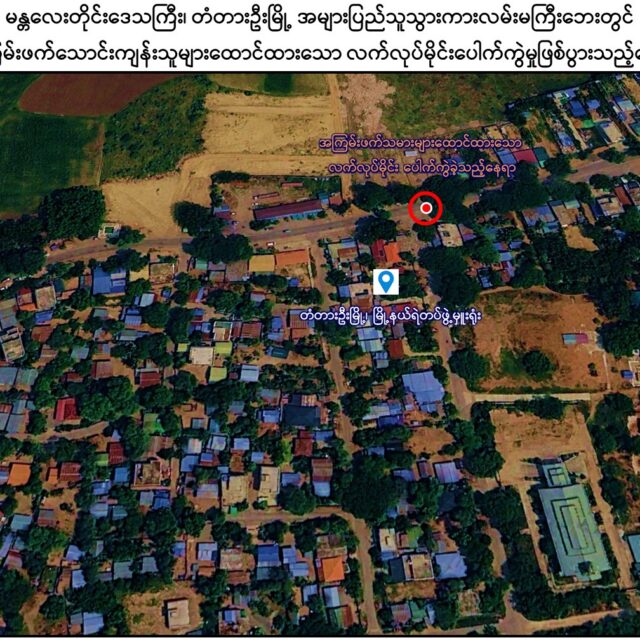
We must not only strengthen the cooperative system through active rural initiatives but also utilize this system to drive and prioritize overall rural development.
President of the Republic of the Union of Myanmar Agga Maha Thray Sithu Agga Maha Thiri Thudhamma U Min Aung Hlaing sent a message to the ceremony for the International Day of Cooperatives, which falls on 4 July 2026, and the World Rural Development Day, which falls on 6 July 2026. The full text of the translated message is as follows: –
Esteemed national brethren,
On the occasion of International Day of Cooperatives, observed today, 4 July 2026, and World Rural Development Day, which will be observed on 6 July 2026, I extend my warm greetings and heartfelt best wishes to all officials serving in the cooperative and rural development sectors, members of the cooperative family, and our national brethren living in rural communities. May you all enjoy good health, happiness, and prosperity, and may all your noble aspirations and wishes be fulfilled.
As part of recognizing the collective economic strength of grassroots communities in countries around the world, including Myanmar, the International Cooperative Alliance (ICA) was established as early as 1895. Since 1923, the International Day of Cooperatives has been officially observed, and commemorative events have been held annually. The cooperative movement is founded on the fundamental principles of self-reliance, democratic governance in accordance with the collective will of its members, equality, and solidarity, embodying these meaningful and enduring values.
Today, the International Cooperative Alliance has been formed with 106 member countries, representing more than one billion members. Cooperatives provide employment to more than 820 million people, accounting for 10 per cent of the global workforce. The fact that the number of people employed in cooperative societies is about 20 per cent higher than the total workforce employed by the world’s largest multinational corporations combined clearly highlights the immense strength and significance of the cooperative system.
The primary beneficiaries of this vast and powerful cooperative movement are the rural areas where large segments of the population reside. For decades, countries around the world have made sustained efforts to improve the living standards of rural communities, promote their economic development, and narrow the development gap between urban and rural areas. In recognition of these efforts and to encourage continued commitment with renewed vigour, the United Nations General Assembly designated 6 July each year as World Rural Development Day. This designation reflects the strong recognition by world leaders of the vital importance of rural areas to sustainable global development.
The theme for this year’s International Day of Cooperatives is “Cooperatives for a peaceful world!” This theme underscores that the cooperative system not only promotes economic cooperation but also strengthens social cohesion and possesses great potential to help build peaceful societies. Similarly, the theme for this year’s World Rural Development Day is “Towards Vibrant, Prosperous and Happy Rural Communities.” These two themes are closely interconnected. Taken together, they convey that greater prosperity can be achieved only through a cooperative economic system in which the people actively participate, and that only with prosperity can people enjoy happier and more fulfilling daily lives. These themes are also consistent with the national objectives set by the government of promoting national prosperity and food security. Therefore, I would like to urge all stakeholders to intensify efforts to ensure the success of the cooperative system and to accelerate the comprehensive development of rural areas.
As a democratically elected government chosen by the people, the Union Government is responsible for fully and effectively implementing the will and genuine needs of the public. In order to successfully build a democratic system, political stability is required, as well as strong and resilient economic foundations. Since “national development depends on rural development,” the government has been prioritizing and implementing strategic measures to improve the socioeconomic conditions of rural communities. Only through such efforts can the development gap between urban and rural areas be narrowed, thereby ensuring the long-term sustainability and stability of a modern and developed nation.
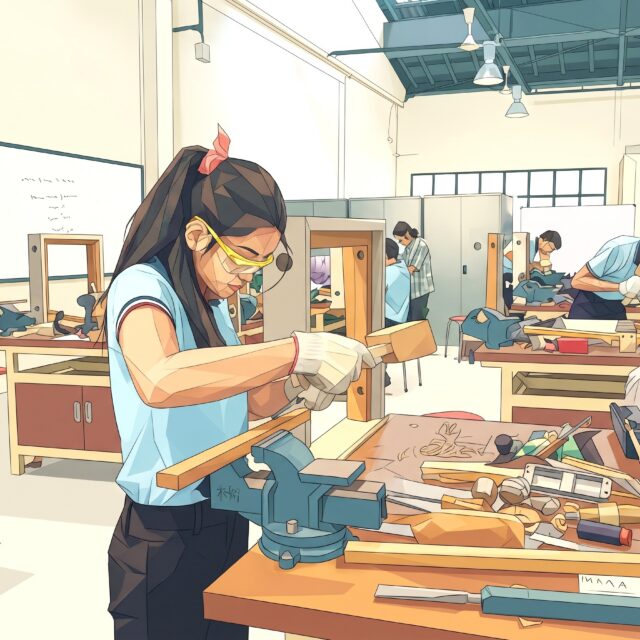
As education, health, and other basic sectors develop, it is necessary to emphasize strengthening the micro, small and medium-sized enterprises (MSMEs) in order to increase local incomes through more robust production activities. Since MSMEs are a key driving force of the national economy, traditional industries should be upgraded, and value-added products based on locally produced agricultural and livestock raw materials should be developed. The State will provide support and assistance in terms of financial capital, technology, inputs, and market linkages for agriculture, livestock, and MSMEs. Relevant departments are also required to ensure the continuous provision of vocational and livelihood support training programs to enhance the capacity of rural communities.
Esteemed national brethren,
Based on rural areas as a foundation for national development, it is essential to ensure the steady progress and success of cooperative-based and collectively implemented rural economic development activities. People-centred rural development initiatives, as well as village development programmes that are managed by the people themselves, should be implemented across the entire country. By involving the public in planning, decision-making, and implementation, such projects can foster a sense of ownership among the people and help ensure that development outcomes are sustained in the long term.
By implementing such a balanced and comprehensive approach across all sectors, it will be possible to move toward achieving this year’s World Rural Development Day theme: “Towards Vibrant, Prosperous and Happy Rural Communities”. It is widely recognized that such efforts cannot be achieved by the government alone. Only through the coordinated and harmonious collective strength of the government, the private sector, civil society organizations, and the entire rural population working together in unity can these goals be accomplished.
As our government has already committed to improving the socioeconomic lives of rural populations, it will continue to support and facilitate efforts to strengthen rural production, create a successful and dynamic economic environment, and increase public incomes to promote greater socioeconomic well-being. From this foundation, I would like to reiterate that we will work toward building a peaceful and stable society with improved socioeconomic conditions, ultimately achieving a happy and prosperous community without fail.
In conclusion, in line with the conviction that the strength of the nation lies within, efforts must be made to systematically utilize the country’s rich natural resources and human resources in order to advance national development and enable the nation to stand on equal footing with the international community. In doing so, and in accordance with the themes highlighted by this year’s International Day of Cooperatives and World Rural Development Day, I hereby send this message, urging all responsible officials and the entire public to work together with strong national spirit and unity toward the success of the cooperative system, the improvement of rural socioeconomic conditions, and the emergence of clean, green, and modern towns and villages from rural areas to urban centres.
Agga Maha Thray Sithu Agga Maha Thiri Thudhamma U Min Aung Hlaing
President, the Republic of the Union of
Myanmar